
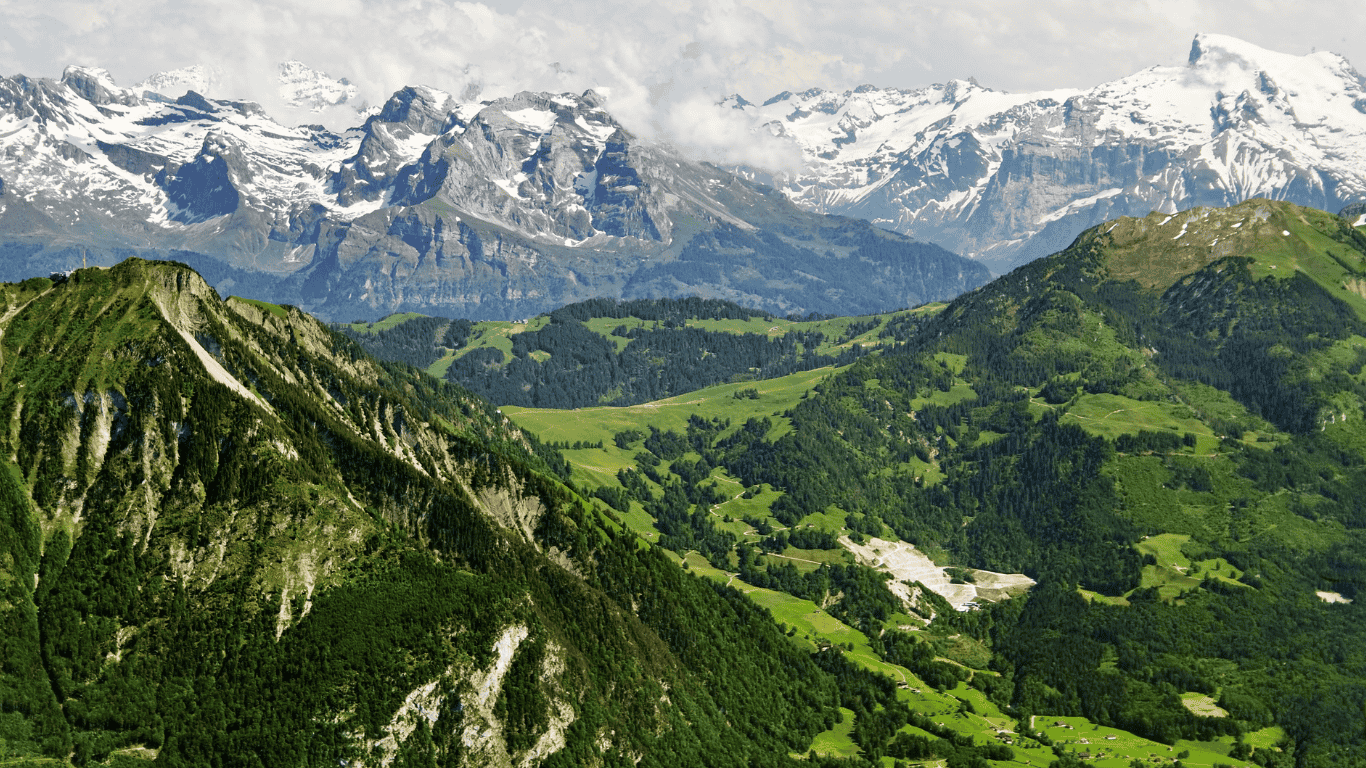

Around the world, the assumptions that once underpinned long-term wealth security are rapidly eroding. Geopolitical fault lines are hardening, essential resources are under growing strain, migration flows are reshaping entire regions, and social cohesion is fraying. In this environment, densely populated, hyper-connected urban centers have become increasingly fragile places to anchor multi-generational capital and family continuity.
Autonomous Rural Platforms are private, multi-generational family compounds designed for privacy, self-sufficiency, and enduring wealth preservation. They offer a compelling strategic alternative to dependence on complex centralized systems by emphasizing direct control over essential resources, robust physical security, and long-term optionality.
Calculated Risk Advisors has identified a 10/10 group of gold-standard jurisdictions that combine political stability, abundant natural resources, strong appreciation potential, and, critically, minimal exposure to pervasive surveillance networks and digital control systems. Leading options include Switzerland, Panama, Iceland, select Eastern European highlands, discreet non-aligned regions with naturally low digital footprints, and New Zealand as a best-in-class resilient choice.
This briefing provides a clear, actionable framework for selecting, acquiring, and developing sovereign family estates that function as resilient, appreciating assets well into 2028 and beyond.
Why Sovereign Estates Matter Now
The world is changing faster than most realize. Geopolitical friction, resource constraints, and migration patterns are creating greater instability. Governments are tightening immigration rules and visa policies in response to perceived risks, while central bank digital currencies, stablecoins, tokenization, and intelligence-sharing agreements quietly erode traditional privacy. Water shortages already affect billions monthly, droughts cost hundreds of billions annually, and food systems face mounting strain, making reliance on cities increasingly risky. Sovereign estates provide the ultimate solution: large rural holdings equipped with regenerative agriculture, independent energy, and layered privacy protections. They allow families to step away from fragile systems while maintaining luxury, global connectivity, and mobility. In a time when classic safe havens feel overcrowded or over-regulated, the smartest moves involve places with limited external influence and naturally low digital visibility.
What Makes a Location Truly Gold-Standard
We evaluate every potential site against six clear pillars, with particular weight given to privacy from external oversight and the natural protection offered by limited digital infrastructure:
- Political and Legal Stability – Reliable rule of law, low corruption, predictable environment, strong constitutional privacy protections.
- Natural Resource Abundance – Reliable freshwater, fertile land, renewable energy sources, minimal water scarcity risk.
- Privacy and Low Visibility – Limited involvement in broad surveillance alliances, low external leverage, remote or low-density settings, favorable tax and asset-protection structures.
- Limited Digital Infrastructure Exposure – Naturally sparse connectivity, moderate internet penetration, few smart-city or biometric systems, reducing data trails while allowing private satellite links.
- Climate Resilience and Sustainability – Temperate zones with elevation, rich biodiversity, and resistance to extreme weather.
- Accessibility and Appreciation Potential – Reasonable proximity to secure airports and services, plus markets showing 20–35% land-value growth in premium segments.
These standards eliminate crowded or high-surveillance destinations and highlight jurisdictions that deliver genuine sovereignty and insulation.
Our 10/10 Gold-Standard Locations
Switzerland (Alpine Cantons – Valais, Graubünden)
Switzerland is the classic standard for privacy and discretion. It features neutral politics, strong data protections, and well-regulated digital systems that prevent external intrusion. The country boasts secluded mountain estates with glacial water, geothermal energy, and convenient access to Geneva. Appreciation typically ranges from 15 to 25%. It offers attractive lump-sum tax options and investor residency programs. As one of the top destinations for net HNWI inflows, with over 3,000 projected in 2025 according to Henley & Partners, Switzerland continues to be the benchmark for stability and preserving a low-profile legacy.
Benefits: Ultimate haven with political stability, strict rule of law, and top Global Peace Index rankings; excellent for wealth management and family education; high privacy through banking secrecy, although not as it originally was.
Drawbacks: Higher costs due to the strong Swiss franc; variable cantonal taxes (including potential wealth taxes); the colder alpine climate may not suit all lifestyles.
Panama (Central Highlands – Chiriquí, Veraguas)
Outstanding privacy with no mandatory data retention, strong constitutional safeguards, and limited cooperation with foreign requests. Rural areas remain discreet. Fertile volcanic soil, abundant rainfall, and hydro/solar potential are all within reach of Panama City. Appreciation of 20–35% in premium areas. Steady inflows of high-net-worth individuals (+300 projected net in 2025 per Henley & Partners) make it a tax-efficient, stable Central American base for offshore structuring and independent living.
Benefits: Territorial taxation exempts foreign income; affordable tropical lifestyle with beaches and modern amenities; easy residency via Friendly Nations or Qualified Investor Visas; serves as a Latin American haven for financial services.
Drawbacks: Occasional political instability (e.g., recent protests); higher crime in urban areas; infrastructure less developed outside key hubs.
Comparing Switzerland and Panama
For families weighing these two standout options, the choice often comes down to priorities. Switzerland excels in European stability, institutional privacy, and long-term legacy planning, ideal if you value predictable governance and proximity to global financial centers, though at a premium cost. Panama, by contrast, offers aggressive tax efficiency through its territorial system and a warmer, more affordable lifestyle, making it a strong pick for those seeking quick residency and Latin American diversification. Both attract steady HNWI migration (Switzerland leading with thousands annually, Panama with hundreds), but Switzerland suits ultra-discreet, high-privacy needs, while Panama provides mobility insurance against volatility elsewhere. Diversifying across both can create a balanced, resilient portfolio.
Iceland (Remote Fjords and Highlands)
Independent data laws, extreme geographic isolation, and strict regulations keep external access to a minimum: geothermal energy, abundant freshwater, and rich biodiversity. Private airfields ensure mobility and 20%+ appreciation, driven by discerning buyers. Consistently ranks as one of the world’s most peaceful nations (top Global Peace Index performer), ideal for tech-savvy families seeking true seclusion and resilience.
Benefits: Unmatched isolation for privacy; renewable energy abundance; high safety and sustainability.
Drawbacks: Harsh winters, limited urban amenities, and higher living costs.
Eastern Europe (Romania Carpathians, Bulgaria Rhodope Mountains)
GDPR-level protections with weaker external ties, solid data safeguards, and moderate connectivity that avoids oversaturation. Vast, affordable land with fertile valleys and biodiversity. Easy regional airport access. Appreciation 15–25% as compelling alternatives to the crowded Alps. Excellent value for European-based sovereignty.
Benefits: Affordable entry with strong EU-aligned privacy; biodiversity for regenerative living; good value growth.
Drawbacks: Weaker infrastructure in remote areas; potential regional geopolitical risks.
Non-Aligned / Low-Digital Footprint Regions (Bhutan Himalayas, Bolivia Altiplano, Uruguay’s Rocha Region, Select Pacific Islands)
Inherent privacy through sparse infrastructure and no major alliance participation. Strong land-rights traditions and minimal smart deployments. Deep seclusion, abundant water, and regenerative potential. Satellite connectivity required. Appreciation 10–20%, significantly undervalued. Maximum insulation for families prioritizing anonymity. Uruguay’s Rocha region stands out for eco-luxury off-grid estates in a stable, “Switzerland of South America” environment. Often called a hidden gem for HNWIs, Uruguay offers territorial taxation (exempting foreign income for up to 10 years for new residents), no wealth or estate taxes on foreign assets, and straightforward residency through real estate investment (no strict minimum, but property ownership strengthens applications). With surging luxury markets in areas like Punta del Este (appreciation up to 20–30% in premium segments), it appeals to those seeking beaches, quality healthcare, and a relaxed lifestyle. HNWI migration is steady, particularly from Latin America, drawn by low crime rates and strong democracy, making it a top choice for political and currency diversification.
Benefits: Safe and stable, with low crime; affordable, high-quality life (costs 19% lower than in the US, per Numbeo); no foreign ownership restrictions; excellent for retirees and families, with modern infrastructure.
Drawbacks: Rising costs in utilities and real estate; residency process can take 4–12 months; less global connectivity than Europe.
New Zealand (South Island Highlands – Queenstown-Lakes, Mackenzie, Central Otago; North Island Rural/Highlands; Waiheke/Bay of Islands Estates)
Near-10/10 resilient haven with unmatched geographic isolation, exceptional natural resources, and English common law. Strong rule of law (AA+ rating), abundant freshwater and geothermal energy, temperate climate. Rural areas offer naturally sparse digital coverage, offsetting moderate Five Eyes exposure. Appreciation 15–35% in premium rural and trophy properties. Active Investor Plus visa enhancements continue to attract inflows (projected +150 net millionaires in 2025 per Henley trends). High safety rankings (top performer on the Global Peace Index) make it ideal for self-sufficient estates that combine seclusion, regenerative potential, and connectivity.
Benefits: Extreme isolation for resilience; investor-friendly policies; high biodiversity.
Drawbacks: Five Eyes ties reduce privacy; high entry costs for premium estates.
How to Secure and Build Your Sovereign Estate
We start with geospatial modeling to pinpoint parcels that match your criteria, regulatory outlook, and migration patterns. Structuring is done through trusts, LLCs, or offshore vehicles for maximum protection and efficiency. Development centers on true autonomy:
- Energy Independence — Solar, wind, geothermal, and storage systems.
- Food Security — Regenerative agriculture: no-till farming, cover cropping, holistic grazing.
- Privacy and Security — AI drones, biometric access controls, Faraday cages; privacy-focused cryptocurrencies (Monero, Zcash) for discreet transactions.
- Secure Connectivity — Private satellite or fiber links to stay globally connected without compromising low visibility.
Typical budget: $10–100M+. Expected returns: 20–35% appreciation plus significant savings from reduced urban exposure.
Real-World Examples
A Panama highland estate structured offshore with satellite connectivity delivered 35% appreciation while maintaining near-total insulation. A transformed rural legacy property achieved 30% value growth during volatile periods and now supports 50 self-sufficient residents.
Looking Ahead
Sovereign estates are now essential portfolio anchors against converging global risks. Diversify across geographies, favor zones with the lowest digital exposure (non-aligned regions, Panama, Iceland often edge out Five Eyes locations for privacy), and layer in advanced privacy technologies. Keep a close eye on wealth-transfer trends and migration flows driving demand, projections show record HNWI relocations in 2026 (up to 165,000 globally per Henley).
Calculated Risk Advisors delivers end-to-end support, from rigorous site vetting and structuring to development oversight and ongoing optimization. Our work with numerous families ensures that estates endure and appreciate across generations. The time for decisive action is now. Secure your sovereign estate today. Contact us for a confidential consultation.
Secure a confidential consultation.
Important Disclosure.
This publication is for general informational purposes only and reflects the author’s perspective. It is not financial, investment, tax, legal, or professional advice of any kind, nor an offer or solicitation. Calculated Risk Advisors disclaims all liability for actions taken or not taken based on this content. Readers should consult their own qualified advisors before making decisions.
© 2026 Calculated Risk Advisors. All rights reserved.

0 Comments