

Executive Summary
Legacy preservation for ultra-high-net-worth families requires more than selecting the right land. It demands compounds specifically engineered for extended family resilience across uncertain decades. Calculated Risk Advisors offers comprehensive assessments that align land use with long-term family goals. We recommend allocating scalable living and production zones, facilitating structured family vision sessions, and designing shared autonomous utilities that promote harmony rather than conflict. When done thoughtfully, this creates a platform that not only survives but also strengthens family bonds and preserves wealth through multiple generations.
Why Multi-Generational Planning Is Now Essential
You are not just building a secure retreat for yourself. You are creating a lasting home for your children, grandchildren, and potentially great-grandchildren in a world that is becoming less predictable. Early, deliberate planning can provide peace of mind, ensuring that future generations inherit a resilient and well-structured environment. Extended family living on a single rural platform offers both tremendous opportunity and real challenges. Without proactive planning, differing needs, expectations, and lifestyles can create friction that undermines the very autonomy and security you are working to achieve. The families who succeed long-term are those who treat multi-generational planning as a core part of site selection and compound design from the very beginning.
Allocating Scalable Living and Production Zones
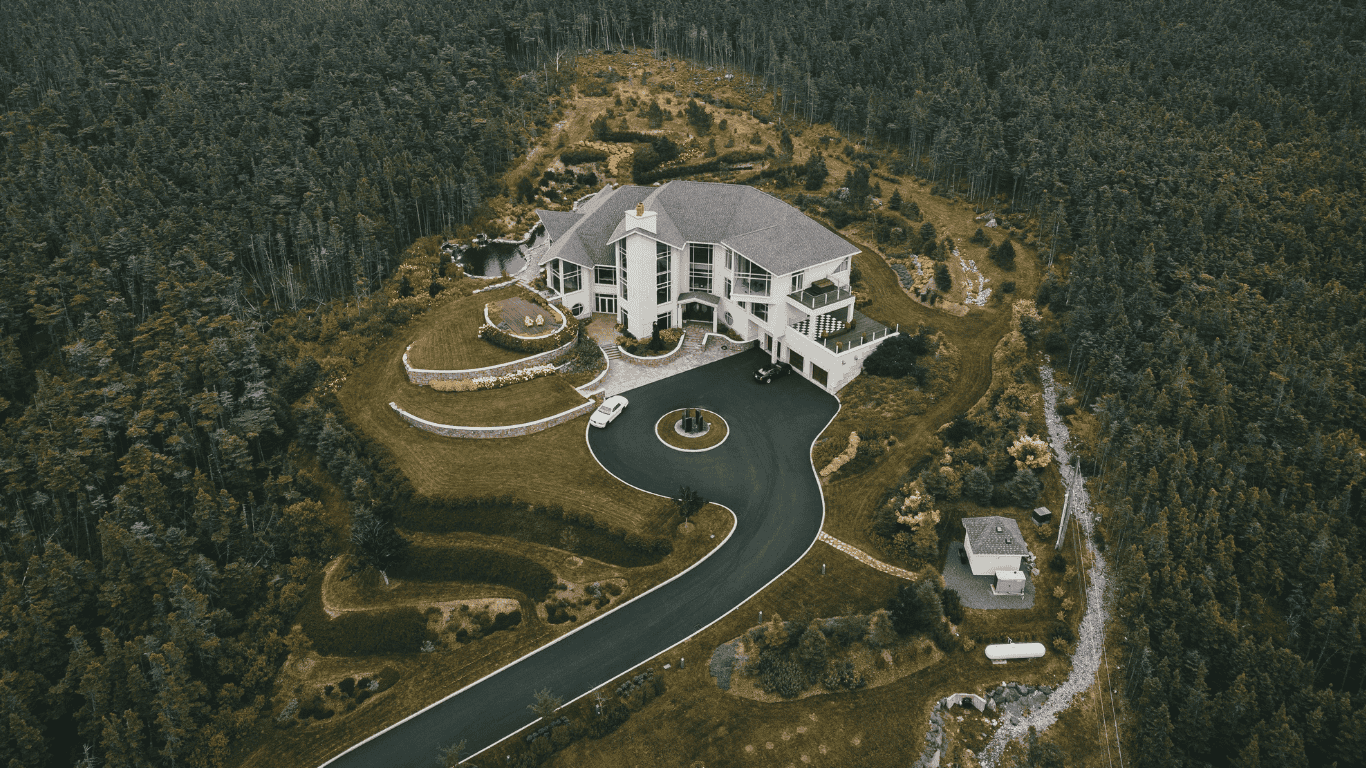
A successful multi-generational compound requires thoughtful space allocation. Begin by designing distinct but connected living zones that can expand or contract as family needs change. Younger generations may want more independent quarters, while elders may need easier access and support. Production zones should be sized to grow food, generate energy, and manage resources for the current household plus a realistic buffer for additional family members or staff during extended stays or crises. The key is flexibility without fragmentation. Use natural topography, landscaping, and low-impact pathways to create gentle separation between zones while keeping the entire compound cohesive. This approach allows privacy when needed and easy gathering when desired, reducing the common sources of tension in multi-family living.
“A family compound is not a collection of houses on one piece of land. It is a single living system designed to grow stronger with each generation.”
Facilitating Family Vision Sessions
One of the most valuable investments you can make is structured family vision sessions. Bringing key family members together early in the planning process fosters a shared purpose, making the compound feel like a collective legacy rather than just a project. These conversations should cover everything from daily living preferences and privacy needs to long-term legacy goals and contingency planning for different future scenarios. Effective techniques include holding sessions in a neutral, relaxed setting, away from daily distractions; using a skilled facilitator to keep discussions productive and balanced; and employing guided exercises such as vision mapping, scenario planning, and values-ranking activities. Some families find it helpful to create a written family charter that captures shared principles and decision-making processes. When facilitated professionally and with clear ground rules, these sessions prevent assumptions from becoming conflicts later. They also build buy-in and shared ownership, turning the compound from “your project” into “our family legacy.” Many families discover that these discussions not only clarify practical needs but also deepen family bonds and reinforce shared values that will guide the compound for decades.
Legacy Wealth Transfer Strategies
Beyond physical design, true multi-generational success requires clear strategies for wealth transfer. These go far beyond basic estate documents. Consider using family limited partnerships or series LLCs to hold portions of the compound, allowing gradual transfer of ownership and control while retaining management flexibility. Dynasty trusts or generation-skipping trusts can protect assets from future taxes and creditors while providing structured income or use rights for descendants.
Discuss tax-efficient trusts? One highly effective approach is the use of tax-efficient trusts, such as irrevocable life insurance trusts (ILITs), grantor-retained annuity trusts (GRATs), or intentionally defective grantor trusts (IDGTs). These vehicles allow you to transfer appreciating assets, including portions of the rural compound or associated business interests, out of your taxable estate while retaining certain controls or income streams during your lifetime. When structured correctly, they can dramatically reduce estate taxes, provide creditor protection, and create predictable pathways for wealth to flow to future generations without triggering large tax events. Many families pair these trusts with the physical compound design, so that specific zones or production areas are held in trust structures tailored to different family branches, ensuring both tax efficiency and operational harmony.
Some families also establish a family governance council with defined roles and voting mechanisms to guide major decisions about the property. Others create incentive-based structures that tie access or benefits to responsible stewardship of the land. When integrated early with your compound design, these strategies ensure that wealth, values, and responsibility pass smoothly across generations rather than creating disputes or fragmentation.
“The strongest family compounds are those where independence and interdependence are deliberately balanced.”
Designing Shared Autonomous Utilities for Multi-Generational Harmony
Shared utilities can either create unity or become major sources of conflict. The most successful designs use redundant, modular systems that allow fair allocation without constant negotiation. Examples include zoned water and power distribution, separate but connected septic or composting systems, and common storage areas with clear usage protocols. Thoughtful design also considers future needs. Utility runs should include expansion capacity for additional living spaces or increased demand. When everyone understands how the systems work and feels the design is equitable, shared infrastructure becomes a source of strength rather than a source of tension.
Actionable Steps for Q2 2026
Here are the practical next steps you should take:
-
Begin structured family vision sessions with key members to clarify values, needs, and long-term legacy goals for the compound.
-
Allocate scalable living zones and production areas during the master planning phase, using topography and landscaping for natural separation and connection.
-
Design shared autonomous utilities with built-in redundancy, modularity, and clear usage protocols to minimize future conflict.
-
Incorporate expansion capacity for both living space and resource systems from the earliest design stages.
-
Review and refine the multi-generational plan annually as family circumstances and external conditions evolve.
Final Thought
Multi-generational planning is not just about buildings and utilities. It is about creating a physical and relational environment where your family can grow stronger together through uncertain times. By allocating scalable zones, facilitating open vision sessions, designing equitable shared systems, and putting thoughtful legacy wealth transfer strategies in place, you build a compound that preserves wealth, strengthens bonds, and provides a true legacy of resilience. This is calculated positioning at its most personal and enduring level. A well-planned family platform does not merely survive the decades ahead; it thrives. It helps your family thrive within them.
Calculated Risk Advisors specializes in these exact evaluations for high-net-worth clients. We deliver a confidential Family Multi-Generational Planning Assessment that integrates spatial design, family vision work, and utility planning into one clear, actionable roadmap, usually completed within 30 days.
Please reach out to us today to schedule your private strategy session. The time to design a compound that truly supports your family’s future is now.
Stay calculated. Stay ahead.
Next briefing: Due Diligence Protocols for Acquiring Autonomous Land Holdings
Disclaimer for this brief: This intelligence brief is for informational purposes only and represents analytical opinions based on public sources and hypothetical scenarios. It does not constitute financial, legal, or investment advice. You can consult qualified professionals for personalized guidance. All future events described are speculative and not predictions. References to the Great Reset’s goals reflect common criticisms and are not official WEF positions.
© 2026 Calculated Risk Advisors. All rights reserved.

0 Comments