
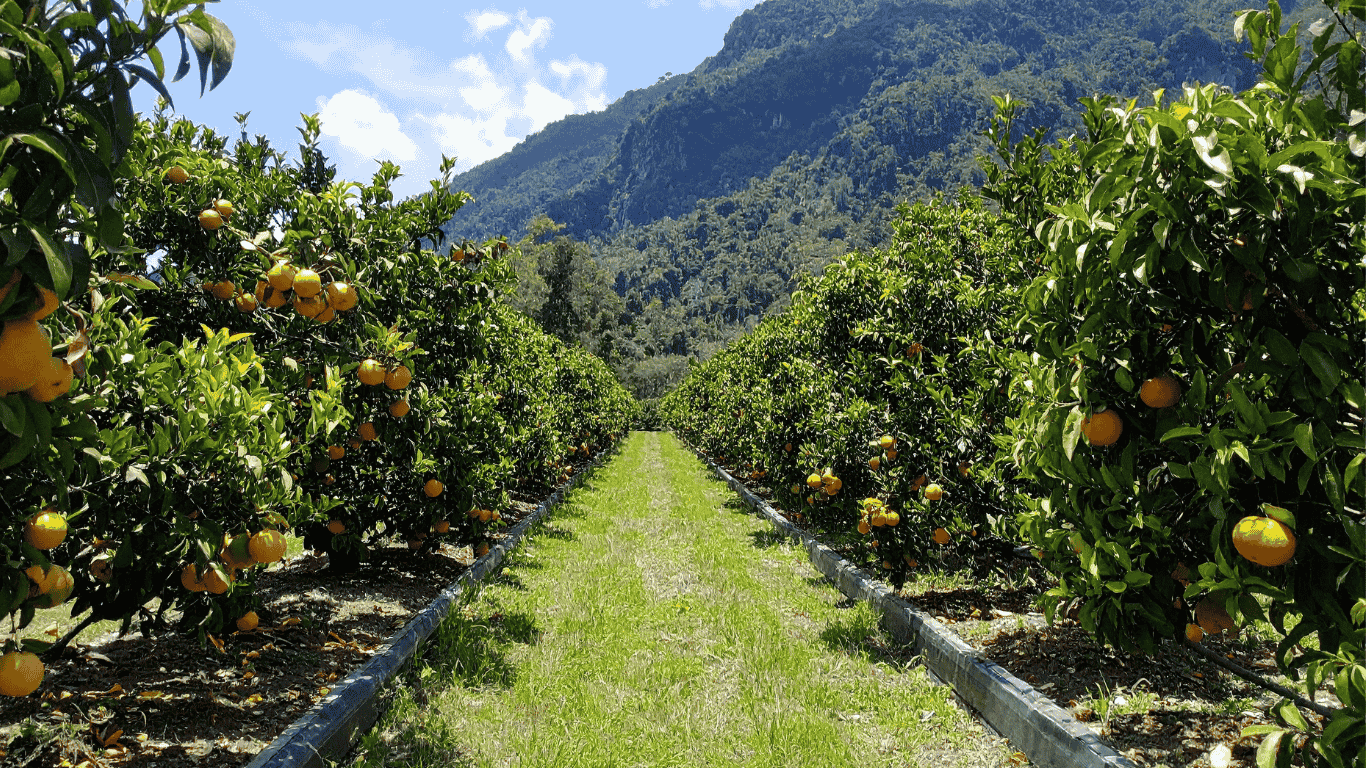

Executive Summary
Long-range weather pattern shifts are forcing a new level of foresight in rural platform design. Standard climate projections are no longer sufficient. Calculated Risk Advisors recommends selecting microclimates that naturally support diversified growing, incorporating adaptable infrastructure such as elevated structures and variable water-capture systems, and building with flexible design features that can evolve with changing conditions. This approach ensures your compound remains productive and livable for decades as climate variability increases.
Why Climate Adaptation Has Become Essential
You have chosen a remote location for its isolation and resources. Now you’ll need to ensure the location can withstand the shifting weather patterns already evident in 2026. Extended heat domes, prolonged dry spells, unseasonal frosts, and more intense precipitation events are no longer rare anomalies. They are becoming part of the new normal. Families who design with these realities in mind today will own platforms that continue to function when others struggle.
Microclimate Selection Details
Not all land performs the same under changing conditions. Microclimate selection is one of the highest-leverage decisions you can make. To evaluate this effectively, consider consulting detailed microclimate data, including temperature, moisture, and wind patterns, which can be obtained through specialized analysis. Look for properties with varied topography that create natural pockets of protection. South-facing slopes with good air drainage often stay warmer in winter and cooler in summer while reducing frost risk. Elevated benches or protected valleys can maintain more stable moisture levels than flat, exposed plains. Natural windbreaks such as tree lines or ridgelines help moderate temperature swings and reduce evaporation.
Properties with multiple aspects and elevations allow you to spread risk. One area may handle heat better, another may capture more rainfall, and a third may offer shelter during high winds. When evaluating sites, walk the land at different times of day and in different seasons if possible. Pay attention to where snow melts first, where frost lingers longest, and where plants naturally thrive. These subtle cues, combined with microclimate data, reveal the true advantages that maps alone cannot show, empowering you to select the most resilient land.
“The land that adapts best is the land that already contains many answers within itself.”
Adaptable Infrastructure for Changing Conditions
Fixed designs are a liability in a changing climate. The most resilient compounds incorporate infrastructure that can flex with conditions. Elevated structures protect against flash flooding and rising water tables while improving airflow and reducing pest pressure. Modular water capture systems, combining cisterns, swales, and contour berms, can be expanded or reconfigured as rainfall patterns shift. Variable irrigation setups that can switch between drip, gravity-fed, and stored rainwater sources give you options when one method becomes less effective. Even building orientation and window placement can be chosen to maximize passive solar gain in cooler periods while providing shading during extreme heat. These adaptable features require thoughtful planning up front but deliver decades of lower maintenance and higher reliability.
Permaculture and Food Forests as Core Climate Adaptation Tools
Permaculture and food forests take climate adaptation from reactive to proactive. Instead of fighting the weather, you design systems that work with it. A thoughtfully layered food forest mimics natural ecosystems: canopy trees provide shade and wind protection, understory fruits and nuts thrive in dappled light, shrubs fix nitrogen and build soil, and ground covers retain moisture while suppressing weeds.
These systems are inherently resilient because they rely on diversity and natural relationships rather than single crops. Perennial plants with deep root systems access water during droughts, while varied species ensure that if one variety struggles in a particular season, others can compensate. In the right microclimate, a mature food forest can deliver the majority of a family’s caloric and nutritional needs with far less water and labor than traditional annual gardens. It also improves local microclimates, builds soil over time, and increases biodiversity, all of which strengthen the compound’s overall ability to adapt to shifting conditions.
A practical example is the classic chicken-forest cycle. Chickens are rotated through paddocks where they scratch the ground, eat insects and weeds, and deposit manure. That manure fertilizes the soil, encouraging lush grass and greens to grow. The chickens then eat the fresh greens, which, in turn, produce more manure, creating a closed nutrient loop. Surrounding trees and shrubs benefit from the enriched soil and provide shade, fruit, and additional forage. The trees offer protection for the chickens, while the chickens help control pests around them. This simple, elegant cycle turns waste into fertility, reduces external inputs, and creates a self-reinforcing system that becomes more productive each year.
“Resilience is not about predicting every storm. It is about building a compound that can weather them all.”
Building Flexibility into the Overall Master Plan
True climate adaptation goes beyond individual elements. The strongest master plans treat the entire compound as a living system. Permaculture zones are designed with multiple species and succession layers so the system can naturally adjust if one crop or variety struggles. Internal road and path layouts include secondary routes that remain usable during heavy rain or snow. Shelter and living areas are positioned to take advantage of the land’s natural thermal buffering.
The goal is redundancy and adaptability rather than brittle perfection. When your platform can bend with changing conditions rather than break, it becomes a true legacy asset that grows more valuable over time.
Actionable Steps for Q2 2026
Here are the practical next steps you should take:
-
Evaluate short-listed properties for natural microclimate advantages, including elevation, aspect, air drainage, and topographic protection.
-
Incorporate adaptable infrastructure such as elevated structures, modular water capture, and flexible irrigation systems into your master plan from the beginning.
-
Design permaculture zones with diverse, climate-resilient species and succession layers to build natural resilience into your food production system.
-
Work with specialists to model how the property will perform under multiple future climate scenarios before finalizing any purchase.
-
Build in regular review points to adjust infrastructure and planting strategies as real-world conditions evolve.
Final Thought
Climate adaptation is not about fearing the future. It is about designing a rural platform that can thrive within it. By deliberately selecting supportive microclimates, incorporating adaptable infrastructure, choosing resilient crops, and building flexibility into every layer of your compound, you create an estate that continues to shelter, nourish, and sustain your family no matter how weather patterns shift. This is calculated positioning at its most forward-looking level. The land you choose today should not only meet your current needs but also remain productive and secure for the generations that follow.
Calculated Risk Advisors specializes in these exact evaluations for high-net-worth clients. We deliver a confidential Climate Adaptation Assessment that integrates microclimate analysis, adaptable infrastructure planning, and long-term resilience modeling into one clear, actionable roadmap, usually completed within 30 days.
Contact us today to schedule your private strategy session. The time to build true climate resilience into your platform is now.
Stay calculated. Stay ahead.
Next briefing: Family Multi-Generational Planning in Relocation Decisions
Disclaimer for this brief: This intelligence brief is for informational purposes only and represents analytical opinions based on public sources and hypothetical scenarios. It does not constitute financial, legal, or investment advice. You can consult qualified professionals for personalized guidance. All future events described are speculative and not predictions. References to the Great Reset’s goals reflect common criticisms and are not official WEF positions.
© 2026 Calculated Risk Advisors. All rights reserved.

0 Comments