

The Strategic Evolution of Food Security
Food security is no longer viewed as preparedness alone. It is now recognized as a sophisticated component of estate planning, wellness optimization, and long-term wealth preservation. Increasing geopolitical instability, climate volatility, and supply chain fragility continue to expose vulnerabilities in global food distribution systems. For families stewarding significant assets, these pressures create a strategic imperative to control food sourcing through refined, private, and regenerative approaches. Forward-thinking families are responding by transforming estates into productive ecosystems that provide exceptional nourishment, reinforce independence, and enhance asset value. This approach reflects the same disciplined foresight applied to financial risk mitigation. Just as portfolios are diversified to protect against uncertainty, food sourcing strategies are being elevated into resilient, multi-layered systems designed to perform regardless of external disruptions.
“True resilience is achieved when nourishment, wellness, and land stewardship operate as one integrated strategy.”
Regenerative Agriculture as a Legacy Asset
Regenerative agriculture is emerging as a cornerstone of modern estate stewardship. Unlike conventional sustainability models that focus primarily on minimizing harm, regenerative systems actively restore soil vitality, strengthen biodiversity, and improve water retention while sequestering atmospheric carbon. These practices elevate land from a passive holding into a living, appreciating asset that supports both environmental restoration and family health. No-till and minimal-till cultivation preserve soil structure and microbial life, allowing land to maintain fertility naturally while reducing erosion and water loss. Multi-species cover cropping enhances nutrient cycling, improves drought resistance, and feeds essential soil biology. Crop rotation and polyculture planting disrupt pest cycles and strengthen biodiversity while increasing yield stability. Composting and organic amendments close nutrient loops by converting estate waste streams into fertile humus that nourishes gardens, orchards, and pastures. Agroforestry and silvopasture integrate trees with livestock and crop production, creating layered ecosystems that provide shade, natural fertilization, and enhanced biodiversity. These methods generate produce with superior nutrient density while steadily improving the long-term valuation and ecological performance of estate land.
“Regenerative land management transforms property from luxury acreage into an intergenerational performance asset.”
Estate Gardens, Orchards, and Vineyards Designed for Sovereign Provisioning
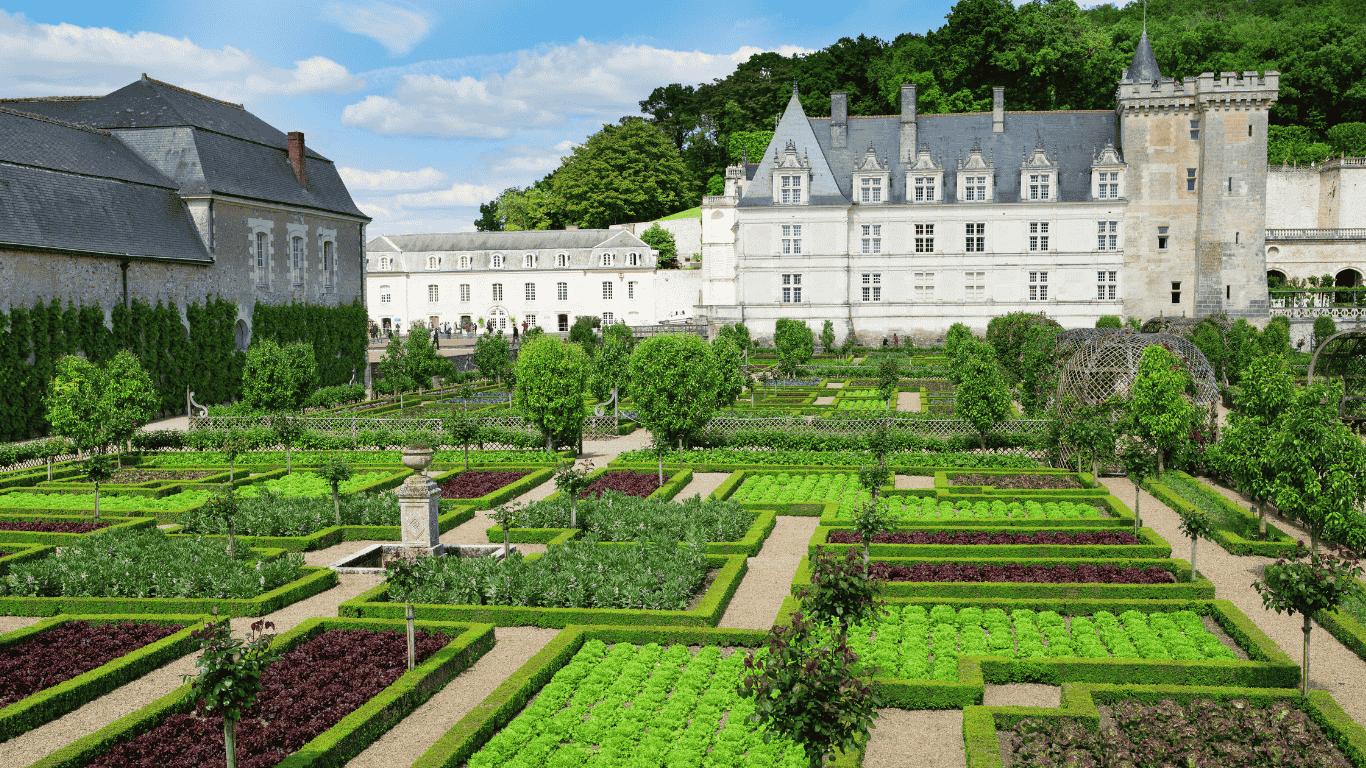
Private estates are increasingly integrating regenerative design into horticultural planning to create refined and highly productive landscapes. Kitchen gardens positioned near primary residences support daily harvesting and chef-driven culinary programs. Raised bed cultivation using no-till methods, succession planting, and companion species maximizes both yield and flavor integrity. Heritage orchards planted in diversified polyculture layouts maintain natural fertility through nitrogen-fixing species and perennial ground covers that stabilize soil and reduce irrigation demand. Regenerative vineyards are adopting complex cover crop ecosystems, biodiversity corridors, and reduced mechanical soil disturbance. These systems strengthen terroir expression, improve disease resistance, and support consistent grape quality despite climate variability. Estate landscape architects and agronomic specialists are increasingly integrating permaculture zoning and keyline water management to optimize water distribution and maximize long-term soil productivity. These carefully designed ecosystems produce exceptional seasonal harvests while reinforcing estate valuation through demonstrable environmental stewardship.
Heritage Livestock as Regenerative Performance Partners
Private livestock operations are evolving into precision-managed ecological systems that simultaneously produce premium protein and restore land health. Heritage breed poultry, sheep, goats, and cattle serve essential regenerative functions beyond food production. Rotational and holistic grazing techniques mimic natural herd movement patterns, stimulating grass regrowth while building soil carbon and preventing pasture degradation. Multi-species grazing strategies amplify ecosystem benefits by enabling livestock to control weeds, disrupt parasite cycles, and distribute nutrients naturally across the land. Poultry systems provide egg production while contributing to pest management within orchards and vineyards. Sheep and goats deliver targeted vegetation control that supports vineyard floor management and orchard maintenance. Professional livestock teams maintain humane animal care, traceable breeding programs, and discreet on-site processing capabilities, ensuring consistency, quality, and privacy. Manure generated through livestock operations feeds composting systems that sustain gardens and orchards, completing regenerative nutrient cycles across the estate.
“When livestock, soil, and cultivation operate as a unified system, estates achieve regenerative momentum that compounds over time.”
Bespoke Storage, Preservation, and Estate Food Architecture
Food sovereignty requires storage and preservation systems that maintain quality, security, and architectural integration. Geothermal root cellars and climate-controlled vaults are being incorporated into estate design to maintain optimal temperature and humidity conditions for root vegetables, aged cheeses, cured meats, and estate wines. Advanced larder systems with biometric security and solar backup infrastructure ensure long-term operational reliability. These storage environments are designed to complement estate aesthetics while providing precise environmental control. Artisanal preservation programs convert estate harvests into refined, long-term provisions. Estate surpluses are transformed into heirloom conserves, game terrines, infused oils, and botanical reductions crafted through pressure canning and traditional preservation techniques. Premium storable provisioning further strengthens autonomy by incorporating nitrogen-sealed heirloom grains, heritage legumes, wild-caught conservas, and specialty charcuterie curated through private sourcing channels. These provisions maintain culinary sophistication while ensuring continuity of food access during extended supply disruptions.
Private Food Networks and Discreet Sourcing Partnerships
Estate production is increasingly complemented by private membership sourcing networks that connect families directly with regenerative farms and artisanal producers operating outside industrial distribution channels. These private associations function as highly curated supply ecosystems providing pasture-raised meats, raw heritage dairy, regeneratively grown produce, heritage grains, and traditionally prepared fermented foods. Membership structures provide confidential access to specialized producers who prioritize soil health, animal welfare, and nutritional integrity over scale. These sourcing partnerships dramatically shorten supply chains while strengthening relationships between estates and regenerative farming communities. The result is enhanced traceability, improved product integrity, and diversified provisioning strategies that reinforce long-term food resilience. Discreet advisory coordination often facilitates entry into these specialized networks, ensuring alignment with estate wellness priorities and operational privacy standards.
“Resilient estates cultivate both land and relationships, ensuring supply strength extends beyond property boundaries.”
Strategic Inventory and Operational Discipline
Maintaining peak food quality requires dynamic inventory management supported by modern tracking technologies and professional culinary integration. FIFO rotation systems, RFID monitoring, and scheduled estate audits ensure provisions maintain freshness and optimal utilization cycles. Estate culinary teams incorporate aging inventory into seasonal menus, preserving quality while minimizing waste. Strategic rotation principles extend to land stewardship through crop sequencing, pasture movement planning, and livestock management cycles that preserve soil vitality and long-term productivity. This disciplined operational structure ensures estate food systems remain both luxurious and functionally resilient.
Food Sovereignty as a Defining Legacy Strategy
Food independence is increasingly recognized as a defining element of generational stewardship. Regenerative agricultural integration, architectural storage refinement, livestock stewardship, and private sourcing partnerships collectively establish estates as autonomous nourishment ecosystems. These systems strengthen family wellness, enhance land productivity, and provide long-term protection against external food volatility. This approach reflects the broader philosophy of risk-aware estate strategy, where foresight, operational precision, and environmental stewardship converge to protect family continuity and lifestyle stability. Families embracing regenerative sovereignty are creating estates that quietly outperform traditional preparedness models while reinforcing environmental restoration and long-term wealth preservation.
“In uncertain environments, the highest expression of luxury is secured nourishment supported by living, regenerative land.”
A Strategic Path Forward
Developing estate-level food sovereignty begins with comprehensive land and infrastructure evaluation supported by regenerative agronomists, preservation specialists, estate architects, and trusted provisioning advisors. Integrated planning allows families to build highly customized food ecosystems aligned with lifestyle expectations, health priorities, and long-term legacy objectives.
Partner With Advisors Who Understand Strategic Resilience
Calculated Risk Advisors supports families seeking sophisticated, discreet, and forward-thinking resilience strategies that align estate operations with evolving global risk environments. Strategic collaboration ensures estate provisioning, land stewardship, and infrastructure design operate cohesively to protect both lifestyle continuity and generational legacy. Families interested in elevating estate resilience and regenerative food sovereignty are encouraged to begin a confidential consultation to explore tailored implementation strategies designed for long-term performance and security.
Secure a confidential consultation.
Important Disclosure.
This publication is for general informational purposes only and reflects the author’s perspective. It is not financial, investment, tax, legal, or professional advice of any kind, nor an offer or solicitation. Calculated Risk Advisors disclaims all liability for actions taken or not taken based on this content. Readers should consult their own qualified advisors before making decisions.
© 2026 Calculated Risk Advisors. All rights reserved.


0 Comments