
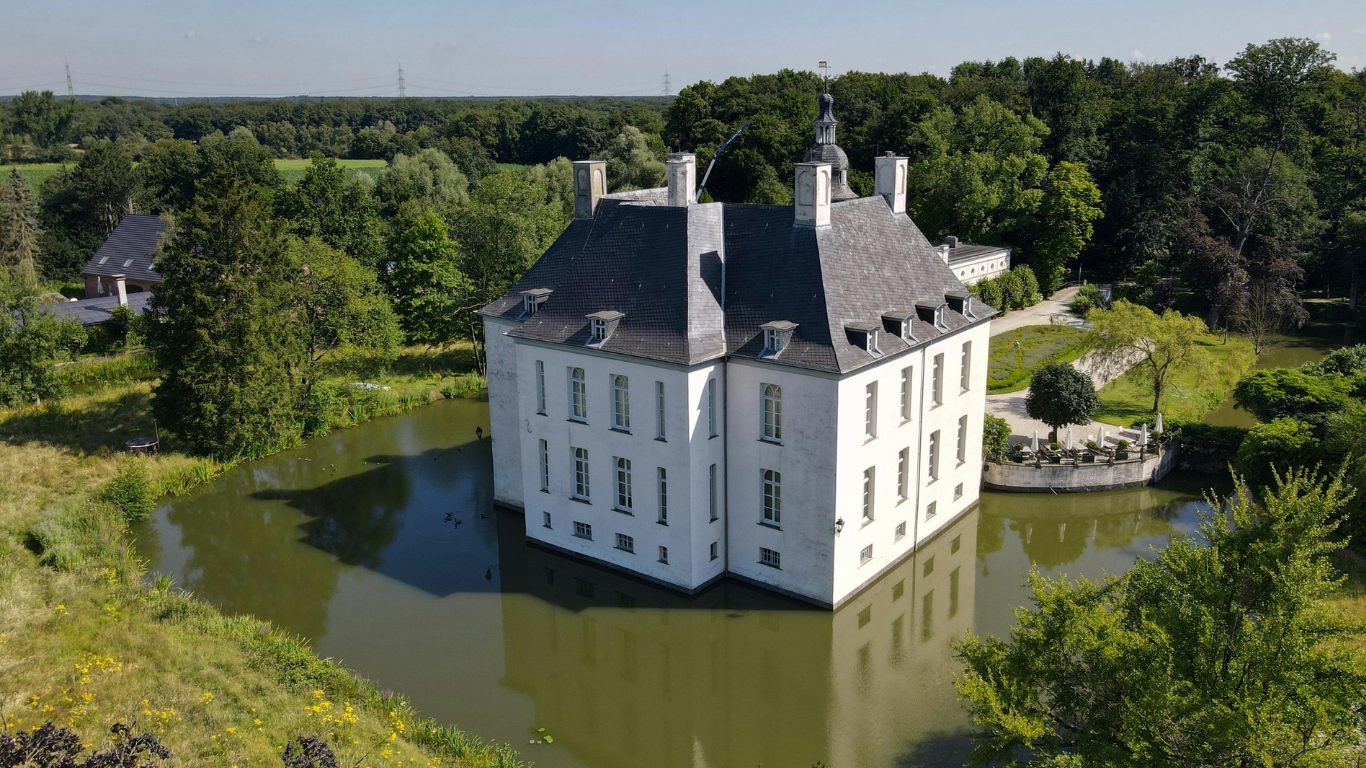

As someone who works directly with high-net-worth individuals on strategic relocation and resilient estate development, I know the vision you are pursuing: a private, fully autonomous rural compound designed to protect your family’s security, independence, and long-term legacy through any disruption.
The difference between an exceptional property that endures and one that becomes a source of ongoing concern frequently comes down to the depth of site-specific intelligence gathered before the first foundation is poured.
This article presents five high-leverage intelligence domains that consistently determine success for autonomous rural platforms and family compounds.
For each, I share a realistic scenario drawn from patterns I’ve observed in the field, identify the central pain point, and provide clear, actionable solutions you can implement immediately.
These are not theoretical exercises; they are practical filters that separate defensible, high-functioning estates from those exposed to preventable vulnerabilities.
1. Flood Risk Assessment from Local Authorities
Protecting Foundations from Nature’s Unpredictable Force
A high-profile client selected a stunning valley parcel in the Intermountain West, drawn to its privacy, water features, and dramatic elevation changes. The property appeared ideal for elevated structures, expansive solar arrays, and private access. Within eighteen months of closing, a series of heavy spring rains in part of a documented multi-year cycle sent water across access roads, saturated septic fields, and threatened low-lying mechanical buildings. Remediation and redesign costs exceeded seven figures.
Accurate, location-specific flood intelligence is non-negotiable when your goal is decades-long operational continuity without recurring environmental surprises.
The Core Pain Point
Incomplete or outdated hydrological data leaves you blind to recurring flood patterns that can erode access, contaminate wells, destabilize structures, and force expensive retrofits that directly undermine the self-reliance and capital preservation you are investing to achieve.
Comprehensive Solutions
-
Pull the most recent FEMA Flood Insurance Rate Maps (FIRM), local floodplain ordinances, and historical USGS stream gauge data for the exact parcel coordinates.
-
Engage a licensed hydrologist to perform site-specific flood modeling using LiDAR-derived elevation data and 100-year / 500-year storm simulations.
-
Design proactively: elevate primary living and mechanical spaces on engineered foundations, install swales, French drains, and permeable surfaces to manage sheet flow, and incorporate large-volume stormwater retention features.
-
Deploy permanent monitoring (water-level sensors tied to remote alerts) and maintain direct relationships with county emergency management for real-time flood-watch notifications.
-
Where appropriate, pursue rezoning variances or contribute to updated community flood studies to align future regulations with resilient development standards.
2. Solar Energy Potential (Average Sunlight Hours)
Ensuring Reliable Power in Variable Microclimates
A client chose a high-plateau site in the Southwest for its apparent solar advantage and clear skies. A premium ground-mount array and substantial battery bank were installed. Monsoon-season cloud cover and regional haze patterns, however, consistently reduced annual yield by nearly 40% below modeled expectations, forcing heavy generator runtime and higher fuel logistics than budgeted.
Site-specific solar irradiance data is the foundation of genuine energy autonomy; without it, even the best hardware underperforms.
The Core Pain Point
Underestimating seasonal or microclimatic shading and cloud patterns results in chronic energy shortfalls, accelerated equipment wear, elevated operating costs, and dependence on backup systems during the very periods when grid or supply-chain reliability may already be compromised.
Comprehensive Solutions
-
Access high-resolution insolation datasets (NREL, Solargis, or equivalent) for the precise latitude/longitude, then validate projections with on-site pyranometer logging over a minimum 12-month period.
-
Specify high-efficiency bifacial or heterojunction modules optimized for diffuse light, paired with hybrid string inverters and lithium-iron-phosphate storage scaled for 3–7 days of full autonomy.
-
Add complementary generation (small-scale wind or micro-hydro if terrain supports it) and deploy intelligent load-management systems to prioritize critical circuits.
-
Hire solar engineers experienced in regional weather variability to optimize array tilt, azimuth, row spacing, and tracker decisions.
-
Build 20–30% excess nameplate capacity into the initial design to create a performance buffer against long-term degradation and future load growth.
3. Hunting Regulations and Seasons
Securing Sustainable Protein Sources Legally and Ethically
A client developed a large forested holding in the Pacific Northwest with the intention of using abundant game as a reliable supplemental food source. State-specific season dates, bag limits, unit boundaries, and private-land access rules were not fully mapped during due diligence. The result: restricted harvest windows, compliance complications, and unintended localized population pressure.
Clear understanding of hunting regulations protects both legal standing and long-term ecological balance on your land.
The Core Pain Point
Regulatory blind spots create legal exposure, limit harvest opportunities, disrupt food-security planning, and can degrade local wildlife populations while pushing reliance back toward external supply chains you are deliberately trying to minimize.
Comprehensive Solutions
-
Review current state wildlife agency regulations, season calendars, species management units, and landowner preference-point systems directly from official sources.
-
Engage a wildlife biologist for baseline population surveys and sustainable harvest modeling tailored to your acreage.
-
Establish on-site processing infrastructure that meets health and game-handling standards; rotate harvest zones annually to prevent overpressure.
-
Pursue landowner-specific tags, damage-control permits, or conservation easements that expand legal opportunities where available.
-
Provide formal training for family and staff in ethical harvest practices and wildlife stewardship principles.
4. Police Department’s Response Times
Bridging the Gap in Rural Security Coverage
A family compound in a large rural county featured advanced perimeter detection, cameras, and access controls. During a nighttime perimeter breach attempt, the sheriff’s response took over 40 minutes due to jurisdictional size and staffing realities. The delay highlighted a critical dependency on external assistance in an isolated setting.
Knowing realistic law-enforcement response metrics informs how much internal hardening and redundancy you must build.
The Core Pain Point
Prolonged rural response times extend windows of vulnerability during intrusions, medical emergencies, or natural events, eroding the sense of absolute control and safety you expect from a high-investment private estate.
Comprehensive Solutions
-
Submit public-records requests or speak directly with the sheriff’s office to obtain documented average response times by call type and geographic sector.
-
Layer physical and electronic defenses: high-security fencing with anti-climb features, AI video analytics with immediate alerts, reinforced gates, and overlapping camera coverage.
-
Contract private security patrols or on-call rapid-response teams; establish formal mutual-aid relationships with adjacent property owners.
-
Equip the compound with redundant, hardened communications (satellite, encrypted mesh, landline backup).
-
Train household staff and family members in situational awareness, basic de-escalation, and first-response protocols to extend the effective security timeline.
5. Availability of Off-Grid Living Technologies (Solar Panels, Generators, etc.)
Avoiding Supply-Chain Vulnerabilities During Build and Maintenance
A client targeting extreme privacy in a remote high-plains region encountered significant delays when regional distributors could not reliably supply specialized inverters, high-capacity batteries, and generator parts within project timelines. Shipping lead times stretched months, costs ballooned, and critical-path activities stalled.
Local and regional technology availability directly affects build speed, cost control, and future serviceability.
The Core Pain Point
Limited access to qualified suppliers and service providers creates procurement bottlenecks, inflates expenses, delays commissioning, and leaves systems difficult or expensive to maintain thus jeopardizing the timeline and reliability of your autonomous platform.
Comprehensive Solutions
-
Map regional distributors, factory-authorized dealers, and certified installers; secure priority accounts and maintain backup national vendors with expedited shipping agreements.
-
Specify widely supported, modular components from brands with strong field-service networks; stock critical spares (inverters, charge controllers, battery modules) on-site.
-
Partner with engineers who can adapt designs to use locally serviceable equipment without sacrificing performance.
-
Form informal purchasing consortia with other high-net-worth property owners in similar regions to negotiate volume pricing and shared logistics.
-
Incorporate basic on-site fabrication and diagnostic capabilities (e.g., 3D-printed parts, diagnostic laptops, spare wiring) to reduce future external dependency.
These five intelligence domains form the non-negotiable foundation for any serious autonomous rural estate. Address them with rigor, and you convert potential failure points into structural advantages.
Your compound is not merely real estate; it is the physical expression of your family’s long-term security and independence. If these principles resonate with your current planning, I would welcome a confidential conversation to explore how they apply to your specific vision.
Secure a confidential consultation.
Important Disclosure.
This publication is for general informational purposes only and reflects the author’s perspective. It is not financial, investment, tax, legal, or professional advice of any kind, nor an offer or solicitation. Calculated Risk Advisors disclaims all liability for actions taken or not taken based on this content. Readers should consult their own qualified advisors before making decisions.
© 2026 Calculated Risk Advisors. All rights reserved.


0 Comments