

In a world increasingly defined by volatility, geopolitical conflicts, cyber warfare, social unrest, and the ever-present threat of natural or manufactured catastrophe. Ultra-high-net-worth individuals (UHNWIs) and HNWIs are taking preemptive measures to safeguard their legacies, families, and lives.
One of the most secure and discreet forms of protection available today is a professionally designed High-Security Legacy Continuity Core – a fortified subterranean structure. This modern fortress is built beneath the surface with the strength and resilience to withstand everything from electromagnetic pulses (EMP) to nuclear fallout, and it is the gold standard for safety in today’s world.
At Calculated Risk Advisors, we help our clients understand the core components of an elite-grade Fortified Subterranean Structures by assisting them in their planning and development. Whether you are in the early stages of curiosity or actively building your autonomous rural platform or family compound, this guide explains the features your secure space must include.
Blast-Resistant Construction & Strategic Design
High-Security Legacy Continuity Cores are not makeshift bunkers; they are engineered structures designed to withstand extreme conditions, including high-pressure blast waves from nearby explosions.
Based on guidance from engineering resources, such as safe room designers, high-security shelter publications, and government research documents. The materials required include reinforced trusses, 4,000+ PSI concrete, and precision-placed rebar to form the resilient shelters’ skeleton. There are also multiple series of modular shelters available, ranging from 100 to 400 square feet, each customizable for occupancy, shielding thickness, and specific terrain conditions. Sizes accommodate 6 to 9 people comfortably and are adaptable for tunnels, staircases, or expanded rooms.
Secure Access: Blast Doors & Riser Hatches
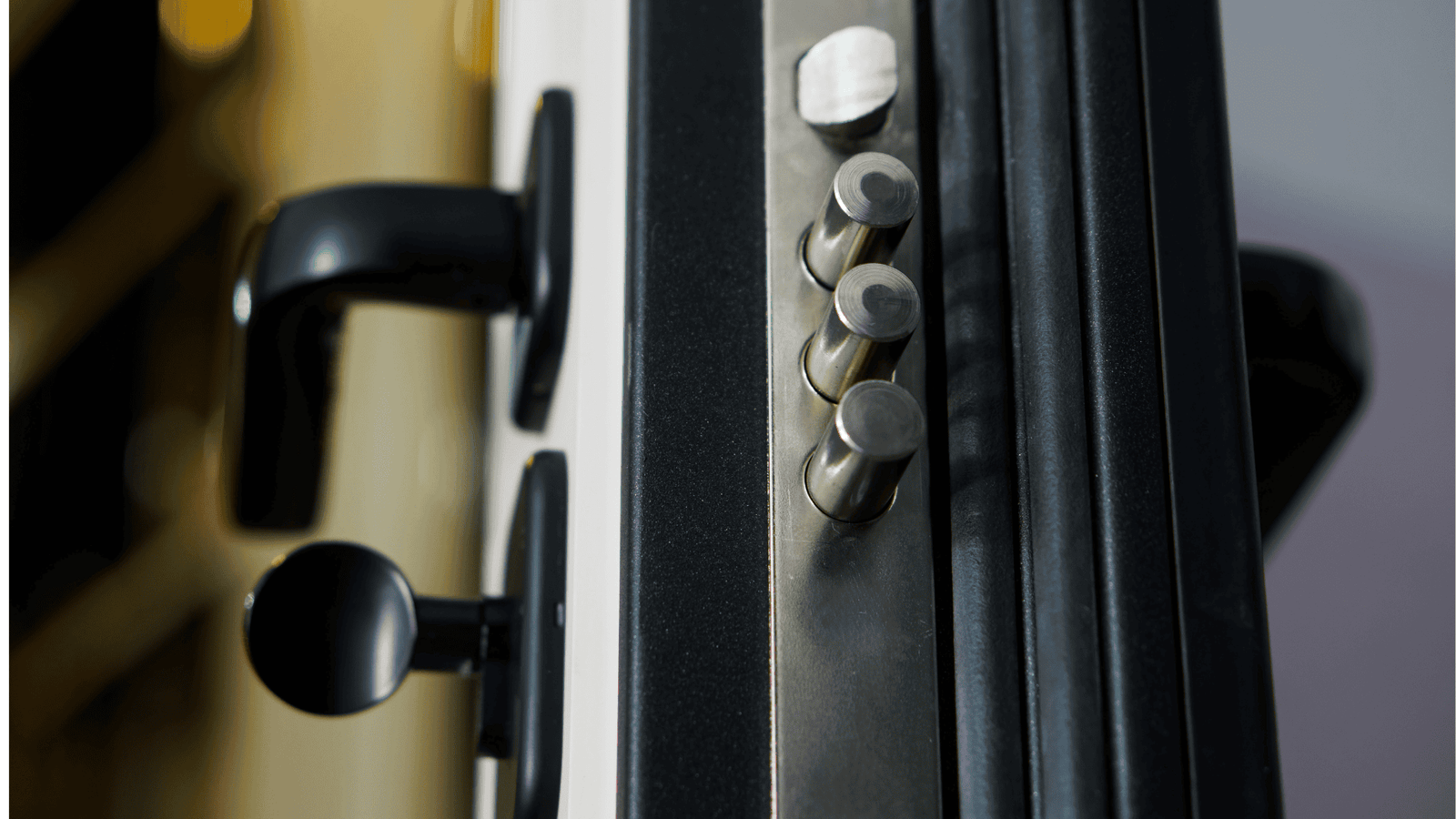
One of the most critical elements in a high-security shelter is secure entry and egress. These include:
• Vertical blast doors rated for up to 7,200 pounds per square foot of pressure
• Ladder-access riser hatches reinforced with trusses and steel frames
• Options for ADA-accessible entries when installed in walk-in grade cores or basements*
*These features ensure not just protection, but also functional usability for individuals with pets, aging family members, or physical limitations.
Advanced Ventilation & (NBC) Nuclear, Biological, and Chemical Filtration
True survivability hinges on breathable, clean air. A modern continuity core must include a blast-protected nuclear, biological, chemical (NBC) air filtration system.
These systems use:
• Positive-pressure filtration via Safe Cell™ filters
• Dual intake/outflow ventilation pipes with blast valves
• Overpressure valves and emergency hand pumps
• Optional automatic ventilation units for standard airflow during peacetime
Each Safe Cell unit can support up to 12 adults based on ASHRAE standards of 5 CFM (cubic feet per minute) per person.
Power & Communications Infrastructure
In an off-grid environment, autonomous power and communications are essential.
Continuity Core Shelters should be equipped with:
• Shielded AC/DC wiring systems
• Hardened bulkhead penetrations for electrical, water, and waste lines
• UFER grounding systems for EMP protection
• Solar-powered battery banks or generator tie-ins
• Satellite communication lines or Faraday-shielded signal receivers
All wiring and power systems must be built to withstand electromagnetic disruptions and external surges.
Food Storage & Sanitation Systems
A secure shelter must sustain life beyond just structure and air:
• Toilet systems such as the Zoeller Qwik Jon with vented waste pipelines
• Optional showers, sinks, and greywater systems
• Dry or freeze-dried food storage sufficient for 30–90+ days per occupant
• Potable water storage tanks, plus water filtration from external sources
• French drain systems for managing excess groundwater
• Positive pressure ventilation to prevent mold and bacteria growth in long-term use
Continuity Vaults are not just survival pods; they must offer livable comfort and hygiene for extended stays.
Surveillance, Monitoring & Automation
Modern high-security shelters include integrated surveillance systems with remote monitoring:
• Interior and exterior low-light or IR cameras
• Motion detectors and biometric locks
• Redundant communications to alert external security teams
• Differential pressure gauges to verify safe internal air pressure
• Programmable logic for lighting, air control, and lockdown protocols
These systems ensure not only situational awareness but also immediate reaction to any breach or emergency. THESE ALSO SHOULD HAVE RUDUNDANT SYSTEMS OF AC AND DC POWER FOR CONTINUITY OF OPERATIONS.
Discreet Location & Custom Integration
The best continuity core shelters are strategically located outside flood zones, beyond the principal urban blast radius, and away from critical infrastructure such as military targets or industrial zones.
Considerations include:
• Elevation and slope for water runoff
• Low visibility with landscaping camouflage
• Proximity to your primary residence (or part of it)
• Legal zoning and compliance with local building codes
For ultimate protection, your shelter should appear as nothing more than a modest outbuilding or blend seamlessly with the natural environment.
Our Final Thought: The Most Valuable Asset You Can’t Buy After the Fact—Time
As the world continues to evolve, the ability to act ahead of the crowd is a defining advantage. At Calculated Risk Advisors, we work with high-net-worth clients to engineer not just protective structures, but sustainable sanctuaries, assets that ensure security, independence, and generational continuity.
When chaos strikes, you won’t wish you had another investment property or stock. You’ll wish you had a place to retreat—your family’s sovereign anchor beneath the surface.
Invest in certainty. Build your legacy. Prepare now before the world catches on.
Secure a confidential consultation.
Important Disclosure.
This publication is for general informational purposes only and reflects the author’s perspective. It is not financial, investment, tax, legal, or professional advice of any kind, nor an offer or solicitation. Calculated Risk Advisors disclaims all liability for actions taken or not taken based on this content. Readers should consult their own qualified advisors before making decisions.
© 2026 Calculated Risk Advisors. All rights reserved.

0 Comments