
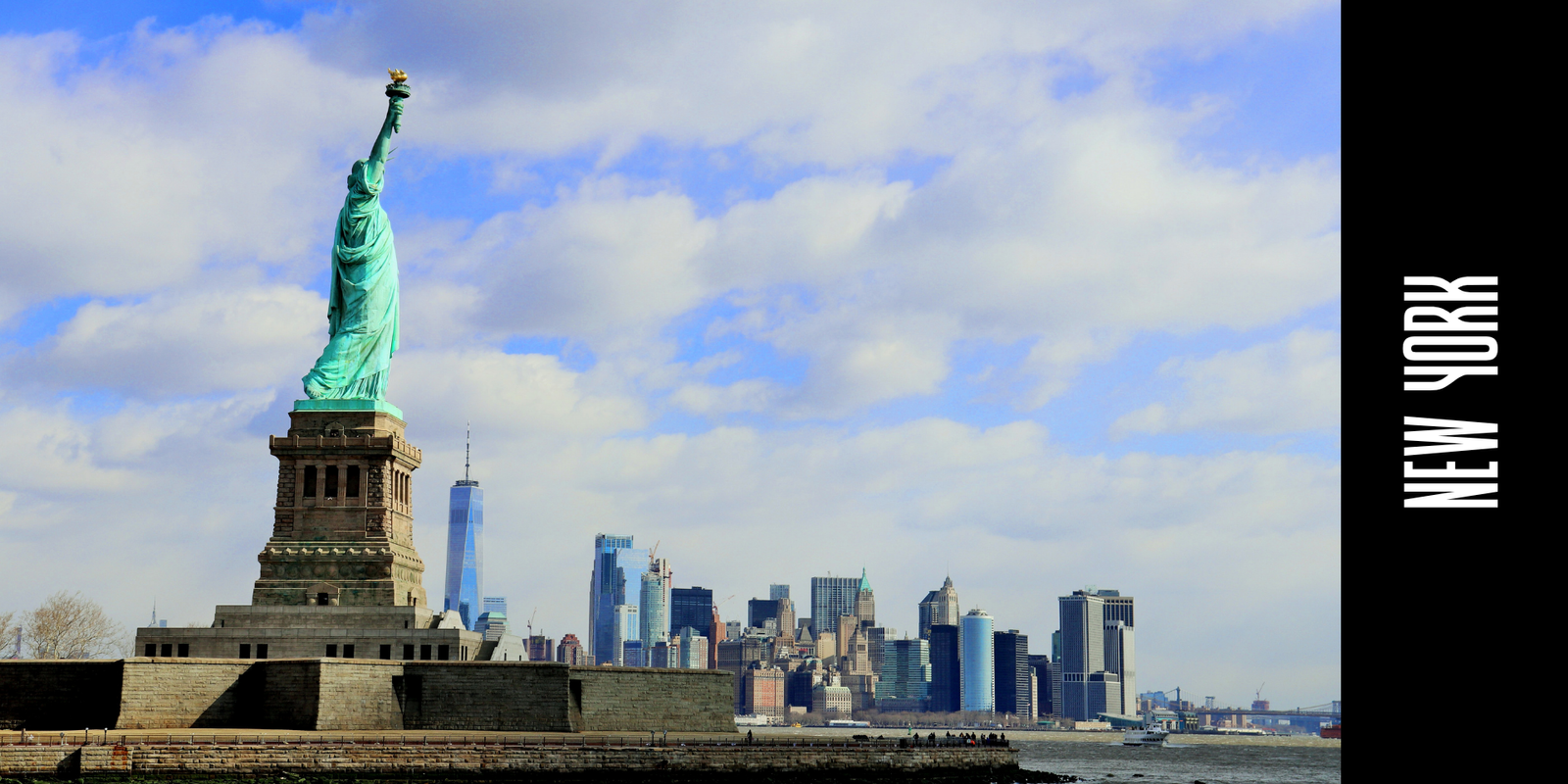

You’ve built something extraordinary in New York. The penthouse on Central Park South, the personal driver who knows every shortcut, the club with a decades-long waitlist. The city gave you scale, networks, and a stage that no other place on earth can match. But lately, the questions come at 3 a.m., after the sirens fade and the generator kicks on for the third time this month. You’re not paranoid. You’re paying attention, things are not as they have been before and your normalcy bias is deminishing.
Let start with the power. The grid that powers your building was engineered when air conditioning was a novelty. Today, it carries a million window units, server farms in Jersey, and every Tesla in a pre-war garage. One transformer fails, and half the neighborhood loses water above the fifteenth floor because the pumps need electricity. Your emergency generator runs on diesel delivered by truck. When bridges and tunnels clog, that truck isn’t coming. Forty-eight hours. Then the stairwells become pressure cookers.
Water comes next. Manhattan draws from two aging aqueducts; one leaks enough each day to fill 20 Olympic pools. A rupture, construction mishap, fatigue, or something deliberate, and the reservoirs drain in a day and a half. Bottled water becomes currency. The first fistfight breaks out at Lexington.
The subway is the city’s circulatory system. It runs on signals from the 1930s. A lightning strike, a solar flare, or a cyberattack paralyzes millions in tunnels that flood during a hard summer rain. Your driver can circle the FDR until the gas runs out. When every exit is gridlocked, the Maybach is just an expensive couch.
Walk two blocks and you cross invisible borders. On one side, yachts. On the other hand, families in public housing share a single bathroom, where the boiler breaks down every January. The city shelters ninety thousand homeless on any given night. History says the first broken window happens on hour seventy-two. Your security detail lives in Nassau County. Good luck getting them over the bridge when the toll plazas are parking lots.
Airports are three funnels for 130 million passengers. One drone, one bomb explosion, one nor’easter, and the system seizes. Your jet sits on the tarmac while pilots time out. Ports handle one in ten containers entering the country. One ransomware strike stops the cranes. Two weeks later, grocery shelves are museum exhibits. Gas stations run dry in seventy-two hours. Your armored Suburban doesn’t run on good intentions.
Thirty-five miles up the Hudson, two thousand tons of spent nuclear fuel sit beside a river that rose five feet in a single night. The plant is shuttered, but the waste isn’t going anywhere. One barge collision or explosion, and the evacuation zone reaches the George Washington Bridge. Counter-terror teams are elite, but they can’t be everywhere at once.
Put any two of these together, and the city tips from inconvenience to cascade. A cyber hit plus a storm surge. A port strike plus a subway meltdown. Hospitals assume elevators work. Police assume radios work. When the dominoes fall, those who can leave do – those who can’t become statistics.
You’re not selling the apartment tomorrow. You’re drafting the contingency. A property anywhere but here with its own well and helipad. A passport that doesn’t care if the dollar wobbles. A go-bag in the trunk, always pointed toward the bridge. You’re not building a bunker, you’re buying optionality.
The city will endure. It always has. But endurance and comfort are different currencies. The margin of error is now the width of a manhole cover. The view from the seventy-eighth floor is still breathtaking until the lights go out and don’t come back on.
Secure a confidential consultation.
Important Disclosure.
This publication is for general informational purposes only and reflects the author’s perspective. It is not financial, investment, tax, legal, or professional advice of any kind, nor an offer or solicitation. Calculated Risk Advisors disclaims all liability for actions taken or not taken based on this content. Readers should consult their own qualified advisors before making decisions.
© 2025 Calculated Risk Advisors. All rights reserved.


0 Comments