
This message comes to you with urgency as events are unfolding in real time and moving in a direction not in the country’s best interests. Most high-net-worth individuals I advise, those who have invested wisely in diversified portfolios, and some who may have already established or are in the incipient stages of building an autonomous rural platform, are scanning the headlines with a mix of concern and disbelief. You know, the kind where you’re already thinking three steps ahead because you are observing the USA is devolving in the wrong direction in real time, with indicators flashing in red. You are thinking, “How does this affect my assets?”, My family’s security? The long-term viability of our compound in the mountains or the countryside?
My practice has focused on helping families like yours navigate everything from market volatility to geological shifts. The recent price surge of precious metals over the past few months is an indicator that the financial markets are in trouble. Gold prices have risen markedly, reaching $4,470 per ounce in early January 2026, reflecting a year-over-year increase of around 67%. This trend underscores investor preference for tangible safe havens amid evolving uncertainties. Consider diversifying into assets like precious metals, real estate in stable regions, or offshore accounts to protect your wealth. Whether an intentional reset or a monetary system that has run its course for 250 years, the intent does not matter. Turmoil and chaos are about to become real for the global population. The dollar is globally systemic, and populations are in trouble.
We are not just talking about escalating wars and cyber threats anymore—economic recession or political infighting. We are staring down the barrel of something far more visceral: civil unrest right here in the United States, just as it is in Venezuela, Iran, the UK, and other nations across the planet. And trust me, it’s not some abstract risk; this is bubbling up in real time, with incidents that could ignite wider chaos if we’re not careful.
Let me paint the picture for you, because as your advisor, I believe in laying it all out plainly, like we’re chatting over coffee at your country estate. Civil unrest isn’t new to America; think back to the riots in the ‘60s or even the more recent waves after high-profile police incidents. I patrolled the streets of Detroit, Michigan, on the same city blocks where the 1967 riots destroyed the city, and military tanks blew up residences where snipers took shots concealed in residential buildings. But what’s different now is the convergence of factors: skyrocketing economic inequality, political polarization that’s sharper than ever, and a sense that the system’s fraying at the edges. We’re seeing it play out in cities across the country, where frustrations boil over into protests, clashes, and sometimes outright violence. As a client, evaluate your exposure by reviewing your urban holdings, community ties, and personal security plans to identify vulnerabilities and prepare accordingly.
Take, for instance, what’s happening with ICE operations out in California. Just last month, there was a shooting involving ICE agents during a raid in Los Angeles County. Reports came in about agents firing on suspects in a botched immigration enforcement action, leaving one dead and sparking immediate backlash from local communities. Protesters hit the streets almost overnight, blocking freeways and clashing with law enforcement. Why? Because in places like LA, where immigrant populations are huge and tensions with federal agencies run high, these incidents feel like a spark on dry tinder. If you’re holding commercial properties in those areas, as some of my clients do, you’ve got to ask: How exposed are you if this escalates?
Then there’s Minneapolis, where echoes of past unrest are still fresh, but a recent ICE-related shooting has poured gasoline on the fire. Early January 2026, agents were involved in a pursuit that ended with gunfire, killing a suspect in a predominantly Black and immigrant neighborhood. The community erupted in demonstrations outside police stations, calls for justice, and yes, some looting in the mix. Remember George Floyd? This feels like a grim sequel.
Many clients in the Midwest are rethinking their urban investments amid concerns about widespread unrest. Why risk uncertainty when rural autonomy offers a buffer? Taking deliberate steps now can help you protect your assets and legacy, giving you a sense of empowerment in uncertain times.
But let’s zoom out, because these aren’t isolated blips. They’re symptoms of a broader storm brewing, amplified by a pile-on of other pressures that could push things over the edge. Beyond the ICE tensions and the relentless grind of inflation, which remains stubbornly high, eating into everyone’s purchasing power even as the Fed juggles its mandates, there’s the shadow of multiple wars hanging over us.
President Trump has been rattling sabers lately, talking tough about potential conflicts with a laundry list of countries: Colombia, Greenland, Mexico, Nicaragua, Iran, Cuba, China, and Russia. Just days ago, fresh off the US military action in Venezuela, he warned Colombia’s leadership, reiterated the need for Greenland for “national security,” and hinted at interventions in Cuba and beyond. The many “who” in this geopolitical drama include hawkish advisors, rattled allies, and domestic critics decrying endless wars.
What we’re seeing is a barrage of statements that could escalate into actual deployments, draining resources and stirring anti-war protests at home. The flashpoints are global, but the backlash hits US streets. It’s a mix of strategic posturing, resource grabs, and responses to perceived threats. Still, it stokes fears of conscription or economic fallout, igniting unrest among already-strained young people and families.
Layer on the banking crisis that’s been simmering since late 2025, with regional banks teetering under high interest rates and bad loans tied to commercial real estate. We’ve already seen a couple of mid-sized failures, sparking runs on deposits in places like Ohio and Florida. What happens next could be more bailouts or stricter controls, but it’s eroding trust in the system. It’s hitting hardest in overleveraged cities like Miami or Cleveland, potentially leading to protests outside bank HQs. Why it’s a powder keg: when people can’t access their money, desperation turns to anger, especially in communities hit by foreclosures. Let’s also mention the escalating unemployment, projected to rise further, as corporations lay off hundreds of thousands and AI takes their place.
Don’t overlook the food crisis either, with supply chain snarls from global conflicts and domestic weather woes; this has driven up shortages of staples like wheat and dairy, pushing prices up 20% in some areas. Food deserts are expanding in inner cities with protests over empty shelves in places like Detroit. Families on fixed incomes and reliant on social safety nets might erupt when they cannot meet their basic survival needs. This may evolve into looting at distribution centers or highway blockades. There appears to be no relief in sight, which means it is explosive and hunger doesn’t negotiate; it demands action and more often violently.
Should supply chains break down primarily in major cities, many assume only the city centers will be impacted. Should supply chains break down and food shortages hit, you should anticipate a spillover into the suburbs and even into the rural areas searching for sustenance.
And here’s the thing that’s keeping me up at night for clients with global footprints: this isn’t just an American problem. As we sit here in early January 2026, similar frustrations are erupting worldwide, creating parallels that could disrupt your international holdings or supply chains. Economic pain, inflation, job losses, and inequality are the common threads across the planet. In Europe, farmers are blocking highways and storming cities like Paris with tractors, furious over the EU-Mercosur trade deal, which is flooding markets with cheap imports on top of high costs and regulations. Just this week, French protesters parked at the Eiffel Tower and Arc de Triomphe, while Greek farmers shut down roads. It’s that same squeeze on livelihoods we see here.
In Iran, nationwide protests over a collapsing economy have turned violent, with security forces clashing against demonstrators in Tehran and beyond, internet blackouts, and dozens killed. Youth and merchants are leading, much like urban frustrations in the states. South Asia’s seeing youth uprisings tied to unemployment and corruption, with forecasts pointing to hotspots like Nepal and Bangladesh for prolonged unrest.
For you, this global mirror means indirect hits: logistics snarls from European blockades, volatility in emerging markets, energy spikes from Middle East turmoil. It’s all interconnected, and your portfolio will feel it.
So, as your advisor, let’s get practical. If civil unrest escalates, and with these recent shootings, war rhetoric, economic woes, and global parallels, it’s not hard to imagine it doing so, your urban exposures could become liabilities.
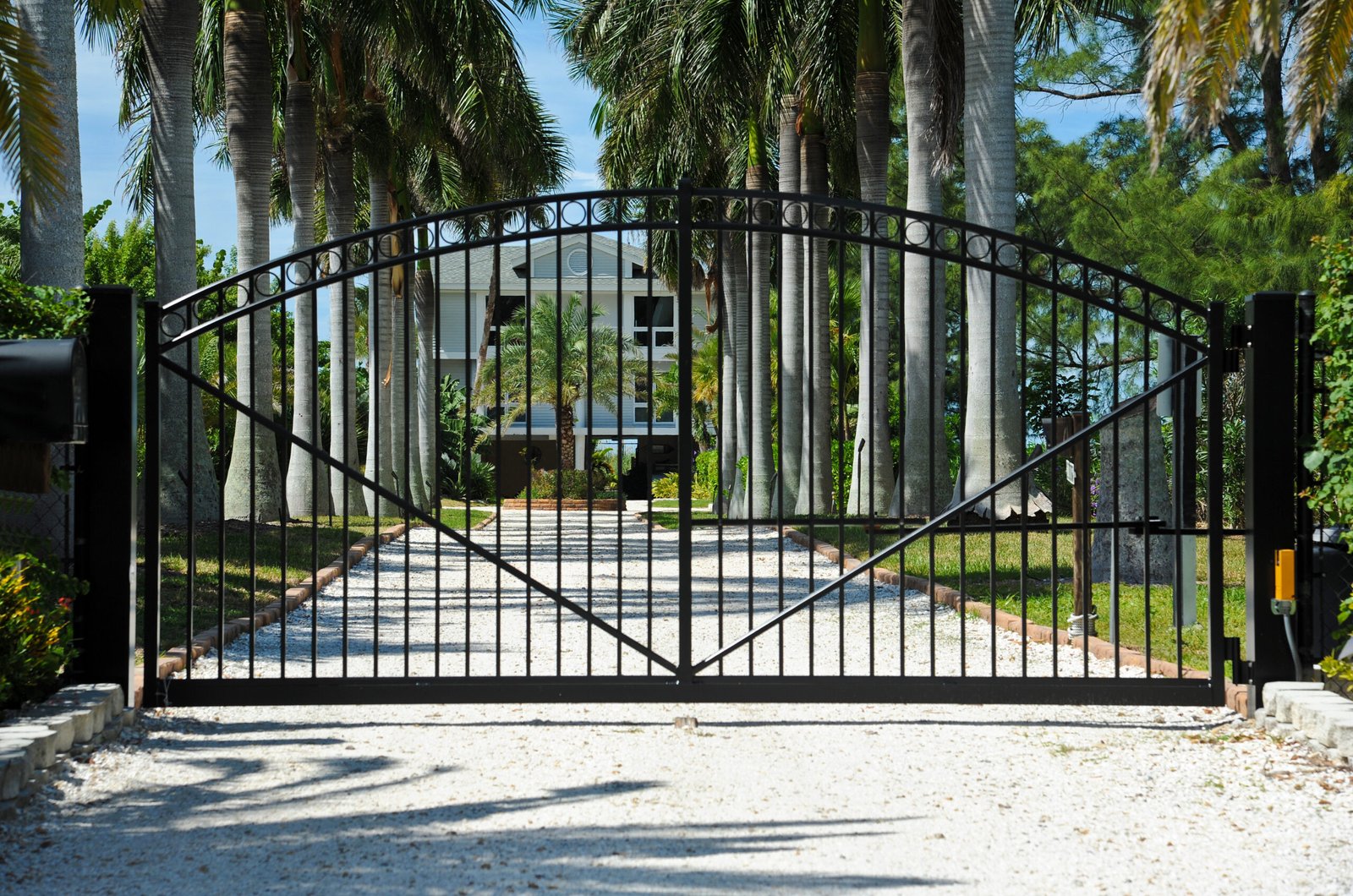
That’s where those autonomous rural platforms come in. I’ve helped set up family compounds in places like Montana or Wyoming: self-sustaining setups with solar power, water filtration, and secure perimeters. Think reinforced doors, motion-activated lights, and even non-lethal defenses like pepper-spray arrays. But security’s just the start: Stockpile wisely items such as food, water, alternate fuels, and tools. And don’t forget your people: build networks with neighbors, gather family, connect with valuable allies like doctors or machinists who can barter skills.
Now, on the financial side, we’re talking gold standard all the way for family offices in this environment. Paper currency? It could plummet in value during unrest, as we’ve seen in historical collapses. Gold and silver in small coins and jewelry for portability are your hedge. They’re not just assets; they’re barter tools when cash loses trust.
I’ve advised clients to allocate 10-20% of their portfolios here, especially with whispers of a global currency reset.
And for those compounds, integrate them into your strategy: store a few months’ cash, but lean on precious metals for long-term stability. Bartering becomes key – skills, goods, even your business expertise could keep you afloat.
But here’s a tangent, because real talk: preparing isn’t about paranoia; it’s about living through what you’ve already weathered. Remember the Great Recession? Or the pandemic lockdowns? Those were previews. In a grid-down scenario from unrest, say, if riots cripple power grids, your compound’s generators and fuel stocks become lifelines. And emotionally, connecting first: I get it, it’s tough watching the country you built your wealth in tear itself apart, especially when the world seems to be mirroring it. But by acting now, you’re not just surviving; you’re positioning your legacy to thrive after the chaos.
No one wants sterile advice; they want a consultant who gets the human side of things. So, if unrest hits your doorstep, whether from an ICE raid gone wrong, a banking run, broader economic fury amid war drums, or echoes from global hotspots, you’ll be ready.
Let’s chat soon about auditing your setup because America’s subsequent battles might indeed be in our streets, but with the right plan, you won’t be caught in the crossfire
Secure a confidential consultation.
Important Disclosure.
This publication is for general informational purposes only and reflects the author’s perspective. It is not financial, investment, tax, legal, or professional advice of any kind, nor an offer or solicitation. Calculated Risk Advisors disclaims all liability for actions taken or not taken based on this content. Readers should consult their own qualified advisors before making decisions.
© 2026 Calculated Risk Advisors. All rights reserved.


0 Comments