
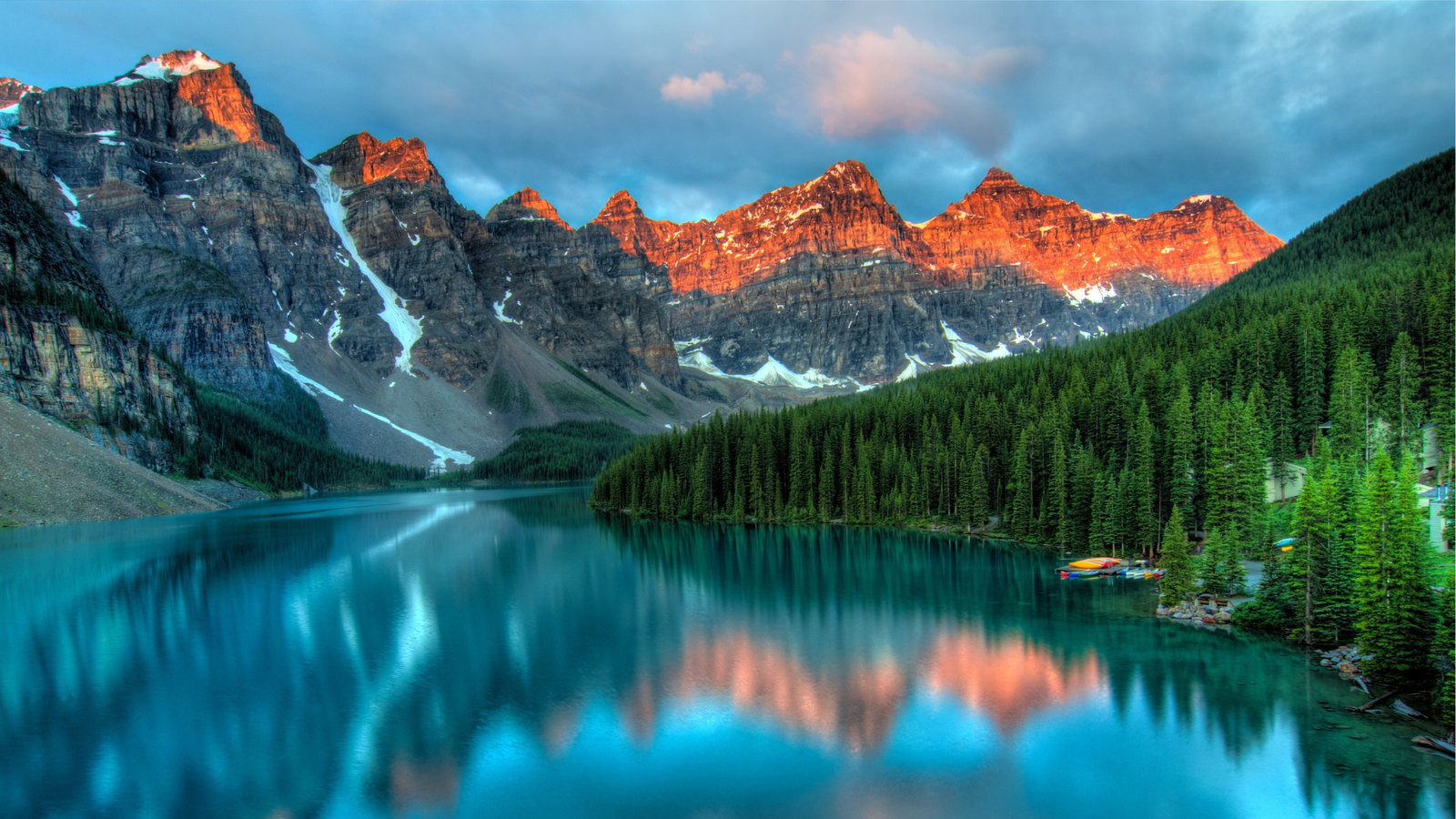

The dream of a secluded mountaintop with breathtaking views often captivates people, but a truly resilient autonomous platform or family compound requires more than beauty. The land must provide food, water, and shelter while ensuring security, stability, and safety. My goal is to explain why selecting the correct location is crucial and how to make informed decisions for a thriving autonomous life, empowering clients to make the best choices for their future.
Imagine a client named Robert who envisions a remote autonomous rural platform perched on a mountain peak. He pictures isolation and panoramic vistas, but I explain that aesthetics alone won’t sustain him. A practical location prioritizes resources over romance. South-facing slopes, for instance, are significant in the Northern Hemisphere. They capture more sunlight, naturally warming the retreat in summer and accelerating snowmelt in winter. “Sunlight is your lifeline for warmth and power,” I tell Robert. This reduces ice buildup and supports solar power systems, which rely on consistent sunlight. North-facing slopes, by contrast, remain shaded and cold, prolonging snow cover and limiting agricultural opportunities. Robert nods, realizing that his dream spot, on a shady northern slope, would struggle to support crops or solar panels, which can be reassuring for clients making realistic choices.
Next, we discuss proximity to civilization. Robert initially wants complete isolation, far away from any town. I caution him that being too remote can cut you off from vital supplies, especially in times of emergency. Yet a compound too close to a town risks attracting unwanted attention during a crisis. “You want to be hidden but not stranded,” I explain. I recommend a site below the peak, elevated enough for privacy but not so isolated that resupplying becomes impossible. This balance ensures security while maintaining access to resources. Robert sees the logic, picturing a spot tucked into a forested ridge, hidden yet reachable, which can help clients feel more secure in their planning.
Terrain is another key factor to consider. Steep rocky slopes might deter intruders, but they make building and farming difficult. I advise Robert to seek land with a mix of defensive features and usable space. Fertile soil and adequate rainfall are non-negotiable for growing food. Without them, he will find self-sufficiency becomes a struggle. I share an example of a client who chose a rocky plot and spent years amending the soil to grow crops. Robert wants to avoid that, so we prioritize areas with loamy soil and at least 20 inches of annual rainfall.
Water access often surprises clients with its complexity. A nearby spring or creek is ideal, providing gravity-fed irrigation and drinking water without relying on pumps or power. Robert’s dream property lacks a natural water source, so I suggest installing a rainwater collection system as a backup. “Never rely on a single well; if it fails, you’re stranded,” I warn. Relying on a single well is risky; if it fails, he would be stranded. By planning for multiple sources, he can ensure resilience. I recall a client who thrived by combining a creek with a rainwater system, never worrying about shortages.
Climate and microclimates round out our discussion. High-altitude areas often have short growing seasons, which limit crop yields. Robert needs a location with an environment conducive to agriculture. I point out that microclimates, small areas with distinct climate conditions, such as sheltered valleys or south-facing slopes, can extend growing seasons by staying warmer or by shielding crops from wind. For example, A sheltered valley can be a game-changer for growing food, as it may produce vegetables months longer than nearby slopes. Robert grows excited, imagining a garden thriving in a protected nook.
Ultimately, I emphasize that a mountain family compound should be a self-sustaining sanctuary, not merely an escape. The land’s climate, terrain, and resources determine its viability. By choosing a south-facing slope with fertile soil, reliable water, and a balanced distance from civilization, Robert can build a home that supports him through any challenge. My role is crucial in helping him see beyond the spectacular view to the practical realities of survival. “With careful planning, your autonomous platform or family compound will be a resilient haven, ready for whatever the future holds.”
Secure a confidential consultation.
Important Disclosure.
This publication is for general informational purposes only and reflects the author’s perspective. It is not financial, investment, tax, legal, or professional advice of any kind, nor an offer or solicitation. Calculated Risk Advisors disclaims all liability for actions taken or not taken based on this content. Readers should consult their own qualified advisors before making decisions.
© 2026 Calculated Risk Advisors. All rights reserved.

0 Comments