
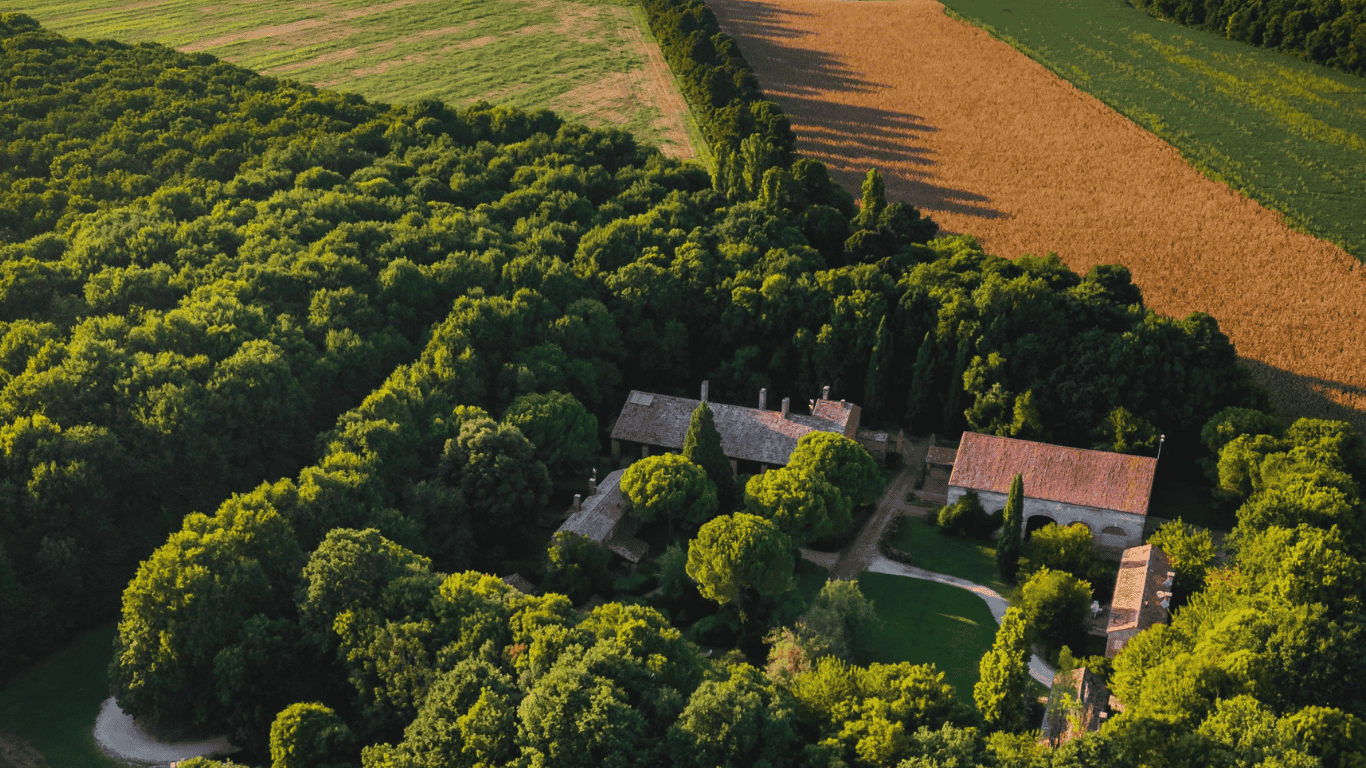

You have invested time, thought, and serious capital into designing something meant to endure. An autonomous rural platform. A family compound with infrastructure independence. A strategic residency capable of anchoring continuity for decades. The site is identified, governance mapped, sovereign power and secure water engineered, regenerative agriculture structured, modular expansion anticipated, and jurisdictional analysis carefully documented. The family council approves. Advisors sign off. And then momentum stalls. The plan rests in a secure drive. The family office returns to quarterly reporting. The next generation focuses on careers and ventures. The land remains underutilized. The vision stays theoretical.
This is not uncommon. It is the quiet failure point in multi-decade wealth.
Most families assume the primary threats are external: geopolitical instability, grid fragility, supply-chain disruption, regulatory tightening. Those risks are real. But there is a more insidious danger rarely discussed until it is too late: the family lacks the internal architecture to execute. You solved the design problem. You did not solve the adoption problem.
Why Even Sophisticated Families Stall
Even sophisticated single-family offices rarely have execution architecture embedded for long-cycle, infrastructure-heavy continuity projects. Families capable of managing nine-figure portfolios often struggle to operationalize a rural platform because no one truly owns it. The plan belongs to “the family,” which in practice means it belongs to no one. Family offices are optimized for liquidity management, tax structuring, philanthropy, and reporting, not infrastructure development, governance iteration, and multi-year asset activation.
Decision-makers are geographically dispersed. Time is scarce. Urban lifestyles are deeply embedded. Emotional resistance to relocation is often unspoken but very real. There is no structured cadence for review once the initial enthusiasm fades. The document is treated as a finished artifact rather than a living system requiring adaptation to regulatory shifts, environmental realities, and evolving family dynamics.
The result is predictable. A beautifully designed autonomous estate remains a presentation instead of becoming a fortified, income-capable, strategically positioned asset. Years pass. The window narrows. A five-year delay in execution can mean a 20 to 30 percent increase in infrastructure costs, jurisdictional risk exposure, or land pricing compression. As macro conditions deteriorate, competition for resilient land, favorable jurisdictions, contractors, and critical materials intensifies. These systems take time to develop. Permits require sequencing. Infrastructure demands iteration. You do not want to be engineering autonomy in the middle of an emergency.
Continuity fatigue is real in multi-decade wealth. The weight of being the steward of accumulated decades can quietly exhaust even disciplined leaders.
“A plan that never leaves the hard drive is not protection. It is delayed exposure.”
The Friction Families Underestimate
On paper, rural platform development appears straightforward. In practice, friction surfaces immediately. HOA governance restrictions prohibit agricultural structures. County code enforcement imposes onerous setbacks and conditional use requirements. Building departments delay approvals for alternative energy systems. Water rights are constrained by legacy agreements. Seemingly minor zoning language limits future expansion. One jurisdiction I evaluated presented layered compliance requirements that would have made meaningful autonomy functionally impossible despite attractive marketing.
In contrast, another jurisdiction offered minimal building codes, rational oversight, and regulatory clarity that allowed infrastructure development without obstruction. That discovery alone reshaped the entire strategy.
This is the difference between architectural optimism and operational reality. Solar production curves do not align perfectly with modeled projections. Energy storage performance shifts with seasonal load variability. Climate control systems behave differently under extreme weather. Regenerative agriculture requires soil correction cycles measured in seasons, not weeks. Autonomy does not emerge from equipment acquisition. It emerges from stress testing, recalibration, and disciplined integration. We speak from implementation, not theory.
The Capacity Gap
Unlike business initiatives with quarterly reporting cycles, rural platforms are multi-year undertakings requiring sustained momentum rather than episodic attention. That demands internal muscle: ongoing ownership, structured review cadence, capability development across generations, defined adaptation triggers, and psychological safety within the family system.
Most families have these mechanisms for investment portfolios and philanthropic vehicles because those systems are mature. Rural platforms represent a newer asset class. There is no default operating system. That is where execution collapses. Industry observation shows that more than 60 percent of long-horizon continuity initiatives stall or materially degrade within 24 months of initial planning when no embedded ownership structure exists.
How We Close the Gap
At Calculated Risk Advisors, we do not deliver static master plans. We build execution frameworks. Before site analysis begins, we require named ownership for every major pillar: infrastructure, governance, agriculture, succession, and security. The designated Platform Steward co-authors deliverables and reports to the family council. Responsibility is explicit from the outset.
We construct living, version-controlled planning environments with maintenance triggers, adoption scorecards, and structured review alerts. A dynamic system is materially more likely to be sustained than a static document. Following core design, we implement a structured activation phase that includes monthly stewardship sessions, formal progress audits, alignment workshops, and measurable milestones. The objective is not applause at presentation. It is operational momentum.
“The difference between a theoretical sanctuary and a functioning one is not acreage. It is execution discipline.”
The Strategic Reframe
Autonomous rural platforms are not lifestyle assets. They are dynastic infrastructure. The question is not whether the master plan is elegant. The question is whether it will be built, iterated, and stewarded.
If you have ever watched a carefully constructed continuity initiative fade once consultants disengaged, you understand the cost. Not only financially, but psychologically. Continuity is not defensive positioning. It is strategic leverage across time. It converts capital into durable optionality. It transforms land into jurisdictional flexibility. It embeds governance into geography. It allows families to operate from strength rather than reaction.
If the honest assessment is that your family or family office does not yet have the structure to own, operate, and evolve such a platform long after the presentation deck is closed, that is not failure. It is clarity. And clarity is where durable strategy begins.
If this conversation resonates, we should speak. Because the difference between a target and a sanctuary is not the land itself. It is whether the plan becomes reality.
Secure a confidential consultation.
Important Disclosure.
This publication is for general informational purposes only and reflects the author’s perspective. It is not financial, investment, tax, legal, or professional advice of any kind, nor an offer or solicitation. Calculated Risk Advisors disclaims all liability for actions taken or not taken based on this content. Readers should consult their own qualified advisors before making decisions.
© 2026 Calculated Risk Advisors. All rights reserved.



0 Comments