

The possibility of direct or proxy escalation involving Iran is not an abstract geopolitical headline. It carries immediate implications for energy markets, maritime trade routes, financial liquidity, and domestic stability within the United States. For families with substantial assets, businesses, and multi-generational responsibilities, the issue is not political positioning. It is operational continuity.
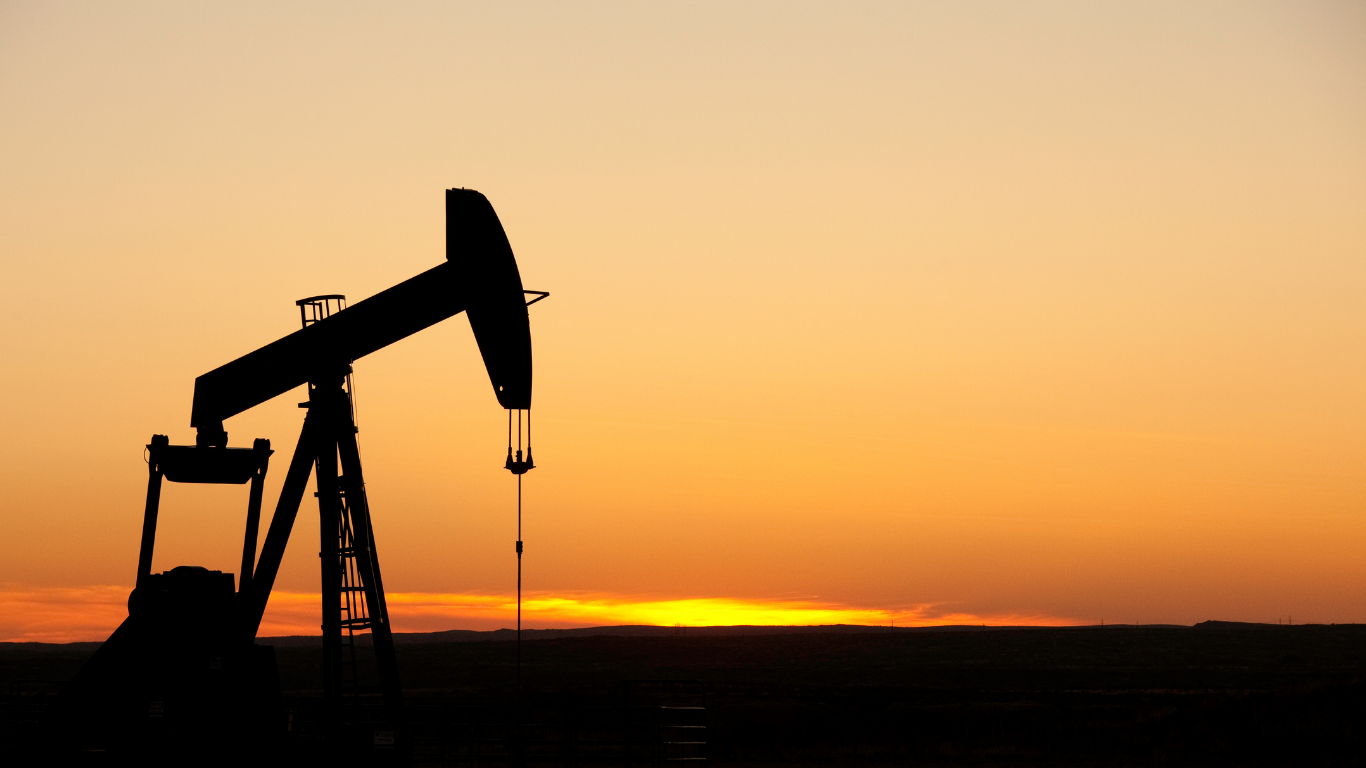
Iran sits at one of the most critical energy chokepoints in the world astride. Roughly 20 percent of global petroleum consumption moves through the Strait of Hormuz. Any sustained disruption, whether through direct conflict, proxy activity, or maritime insecurity, would likely produce an immediate spike in oil prices. Historically, even perceived threats to Gulf shipping lanes have pushed crude prices sharply higher. In an escalatory scenario, oil prices of $120 to $150 per barrel are plausible, particularly if shipping insurers reprice risk or tankers reroute.
For U.S. households, this does not manifest first as military news. It manifests at the fuel pump. Diesel prices rise, and then transportation costs surge. Agricultural inputs become more expensive. Food distribution tightens. Aviation costs increase. Construction materials that rely on petroleum derivatives are escalating. Inflationary pressure intensifies precisely at a moment when the Federal Reserve has limited flexibility to absorb another energy shock without destabilizing credit markets.
Markets react before governments do. Energy volatility pressures equities. Bond markets reprice risk. Insurance premiums rise. Shipping delays expand. Global trade contracts as freight costs surge. Emerging markets dependent on imported fuel experience currency stress. Supply chains, already optimized for efficiency rather than redundancy, begin to fracture again. Intelligence services have long modeled this pattern. Energy disruption leads to inflation. Inflation pressures central banks. Tightening monetary policy strains credit markets. Liquidity contracts. Asset valuations compress.
For high-net-worth families, the exposure is layered. Portfolio volatility is one layer. Business continuity is another. Physical security and lifestyle continuity form a third layer. The question becomes simple and practical. If fuel prices double, if transport slows, if grid instability rises, and if supply chains become unreliable, how does your household function?
This is where the autonomous rural platform shifts from optional luxury to strategic infrastructure.
An autonomous rural platform is not a retreat fantasy. It is a property engineered to function independently of fragile external systems for extended periods. It incorporates on-site water production, redundant energy generation, fuel storage capacity, food production capability, layered communications, and clear governance. When external volatility rises, the household remains operational.
The most significant benefit is not isolation. It is stability. Fuel spikes affect transportation networks, but a property with diversified onsite energy, including solar, battery storage, propane, and properly engineered generator redundancy, does not experience immediate operational paralysis. Grid instability becomes an inconvenience rather than a crisis. Diesel shortages can be managed if reserves are stored and rotated responsibly. Water disruptions are irrelevant when the property controls its own well infrastructure and storage systems.
The financial benefit is equally important. When inflation accelerates due to geopolitical disruption, hard assets with productive capacity outperform passive consumption properties. A rural estate that produces food, energy, and water is not merely a residence. It is a defensive asset class within the broader portfolio.
However, autonomy must be engineered intelligently. Energy vulnerability differs materially by region. A Texas estate is not built the same way as a Northeast property, and neither resembles a Mountain West platform. Customization is critical.
In Texas, grid fragility during extreme weather events is the primary exposure. The lessons of Winter Storm Uri demonstrated that both summer heat and winter cold can destabilize infrastructure. A properly engineered Texas platform requires hardened natural gas backup tied to propane reserves, insulated water infrastructure, and solar systems calibrated for extreme heat performance. Agricultural exemptions, mineral rights, and private road maintenance obligations must be clearly documented within governance structures to prevent legal friction during disruption.
In the Northeast, prolonged winter outages, snow-load engineering, heating fuel storage, and freeze-depth considerations dominate resilience planning. Many estates rely on heating oil or propane. Adequate onsite storage to withstand transport delays is essential. Regulatory overlays, conservation easements, and zoning constraints often require more extensive governance documentation to ensure that energy upgrades, generator installations, or water system expansions can proceed without bureaucratic delay.
The Mountain West introduces wildfire exposure, complex water rights, and geographic isolation. In states such as Wyoming or Montana, winter isolation is routine. Supply chain distance alone demands greater self-sufficiency in fuel, medical supplies, and communications redundancy. Smoke mitigation systems and defensible space engineering are not aesthetic upgrades. They are survival variables.
Because of these regional distinctions, commissioning a professional site-specific risk audit is foundational. Calculated Risk Advisors can conduct a comprehensive survey tailored to the property’s geography. This includes evaluating grid reliability data, aquifer depth, wildfire modeling, trade route proximity, fuel-delivery vulnerability, and regulatory constraints. The result is not a generic preparedness checklist. It is a customized survivability assessment aligned with the realities of the region in which you live. It answers the central question: how does this property perform under sustained geopolitical and financial stress?
Governance documentation is equally critical and often overlooked. An autonomous platform without clear governance becomes fragile under pressure. Formal documentation should define operational authority, succession planning, emergency decision rights, fuel allocation protocols, security procedures, and communication hierarchy. If family offices are involved, integration with asset management and liquidity planning must be clearly codified. During instability, ambiguity is risk. Clarity is stability.
As global conflict escalates, additional pressures emerge. Insurance markets tighten. Reinsurance costs rise following maritime or infrastructure attacks. Shipping insurers may refuse coverage in conflict zones, slowing trade. Cyber retaliation may target financial institutions or energy infrastructure. Intelligence forecasts consistently model hybrid conflict scenarios that extend beyond conventional warfare. Financial markets react not only to bombs but also to cyber intrusions and uncertainty about shipping lanes.
In that environment, the family with a functioning autonomous rural platform operates from a position of optionality. They are not forced into reactive decisions driven by supply panic. They are not exposed to immediate lifestyle disruption. They retain the ability to manage capital, reposition assets, and wait for volatility to settle without operating from fear.
The measurable advantages of having such a platform in place before disruption develops are profound. Procurement costs are lower before panic buying begins. Contractors are available. Equipment lead times are reasonable. Permits can be secured without an emergency backlog.
Most importantly, the system can be tested under calm conditions. True resilience requires iteration and refinement. That is only possible before a crisis, not during it.
Strategic autonomy is not withdrawal from society. It is insulation from predictable volatility. It is portfolio diversification in physical form. It is multi-generational risk management embedded in real property.
For high-net-worth families in the United States, the calculus is straightforward. Energy chokepoints remain vulnerable. Regional conflict can quickly escalate into global economic stress. Fuel costs can double. Trade can slow. Financial markets can reprice risk aggressively. These are not speculative fantasies. They are historically documented patterns following energy disruptions and regional war escalation.
The question is not whether volatility will occur again. It is whether your household infrastructure has been engineered to function independently when it does.
When properly designed, regionally customized, professionally audited, and governed with clarity, an autonomous rural platform transforms geopolitical instability from an existential threat into a manageable disruption.
That is not ideology. It is disciplined risk management.
Secure a confidential consultation.
Important Disclosure.
This publication is for general informational purposes only and reflects the author’s perspective. It is not financial, investment, tax, legal, or professional advice of any kind, nor an offer or solicitation. Calculated Risk Advisors disclaims all liability for actions taken or not taken based on this content. Readers should consult their own qualified advisors before making decisions.
© 2026 Calculated Risk Advisors. All rights reserved.


0 Comments