

As a High-Net-Worth Individual, you have built wealth to secure a particular lifestyle with foresight and strategic investment. The world is accelerating into a hyper-digital future which requires you to envision the future demands for energy to power the Internet of Things and AI data centers. Your strategic investments can ensure that you are prepared for these future demands on a personal as well as a professional level.
At Calculated Risk Advisors, we are experts in understanding and mitigating the significant energy demand that data centers place on the US power grid. We recognize that safeguarding your digital assets, private estates, and peace of mind necessitates a thorough comprehension of these changes. More importantly, we understand that proactive measures, not just understanding, are essential for achieving energy independence for your residence and area of business operations.
What Data Centers Do: And Why It Matters to Your Power
Working behind the scenes, data centers are a digital facsimile of the world’s most powerful brains. They are the engine and backbone of your critical financial transactions and cloud-based investments. They provide communication channels and stream entertainment. With servers and networking equipment, they operate twenty-four hours a day.
Simply put, these digital powerhouses constantly process an incredible amount of information, including everything from your emails and digital surveillance to global financial data and streaming videos. All this intense processing, including the increasingly complex workloads required for artificial intelligence (AI) demands an enormous amount of electricity. One data center can utilize the energy equivalent of nearly 100 megawatts, the same amount of energy as a small city. This massive power draw places significant strain on our shared electricity network, commonly referred to as “the grid,” thereby increasing the risk of power interruptions for private consumers like you.
Why Data Center Locations Matter (And Where They Are)
These digital powerhouses don’t just appear out of nowhere. They are strategically built in areas that offer a perfect blend of reliable and affordable power, robust telecommunications infrastructure, favorable climate conditions (as cooler weather naturally helps reduce their cooling costs), and often, economic incentives and regulatory friendliness.
However, these ideal conditions often lead to data centers clustering together, creating what are known as “hot spots”.
You’ll find significant concentrations in places like:
- Northern Virginia: This is the world’s largest data center cluster, managing nearly 70% of global cloud traffic.
- Silicon Valley and Northern California: This region is naturally a significant hub for data centers, with many technology companies.
- Dallas-Fort Worth, Texas: Its central location, combined with strong infrastructure and connectivity, makes it a critical point in the digital map.
- Memphis, Tennessee: Beyond its musical legacy, Memphis serves as a critical interconnection hub due to its strategic location and extensive fiber infrastructure.
- Chicago, Illinois: This vibrant city stands as a key Midwest data center hub, serving a multitude of industries.
- Phoenix, Arizona: With its appealing dry climate and business-friendly environment, Phoenix is experiencing rapid growth as a data center locale and is also straining the water supply to maintain operations.
- London, UK, and Amsterdam, Netherlands: These cities stand as major European data center hubs, facilitating vast amounts of transatlantic and intra-European digital traffic.
- Further afield, Singapore is a crucial Asia-Pacific connectivity center, and various locations across Northern Europe also serve as significant hubs for digital operations.
The Growing Strain on Our Power Grid: Why You Should Care
The concentration of data centers in these areas places immense pressure on local electrical grids and water supply, especially during peak hours. Many of these regions already face significant challenges on their local electricity grids:
- Aging infrastructure that wasn’t designed for today’s digital demands.
- A growing reliance on cleaner, renewable energy sources, such as solar and wind, which are excellent but can be intermittent and expensive, makes grid management more complex.
- Extreme weather events, from scorching heatwaves (demanding more air conditioning) to severe winter storms (straining heating needs), push the grid to its breaking point.
These factors increase the risk of brownouts (periods of reduced voltage that can cause sensitive electronics to malfunction) and blackouts (complete power outages). Both events pose significant risks not only to data centers but also to dependent ecosystems, including financial institutions, healthcare providers, government services, and private estates equipped with smart home technologies. Recent legislation in Ohio, if passed, will allow the energy companies to throttle back power when energy consumption is needed elsewhere by controlling your smart meter at home.
For you, as an HNWI, the consequences of such interruptions can be severe:
- Loss of critical digital assets or data corruption.
- Compromised security systems and surveillance at your private residences or business operations.
- Disruption of communications and operations, both personal and professional.
- Increased costs from emergency power solutions and valuable downtime.
- Complete shutdown of lighting, heat, cooling, and refrigeration.
While the energy demand is global, certain regions are feeling the strain more acutely, leading to higher risks for grid stability:
- California, despite being home to Silicon Valley, is particularly prone to grid challenges. This is due to wildfire-related power outages, intense heatwaves that push cooling demands to the limit, and pre-existing issues leading to rolling blackouts. The high density of data centers here only adds to an already stressed grid.
- Texas, known as the Lone Star State, is a prominent data center hub; however, it has unfortunately faced high-profile grid failures in the past, particularly during severe winter storms and extreme heat events. This history highlights a vulnerability despite the robustness of its infrastructure.
- Northern Virginia: Even with its robust infrastructure, the sheer, rapid growth of data centers in Northern Virginia is constantly challenging the grid’s capacity to keep up with demand.
- Memphis and the Mid-South: As a major fiber and data hub, Memphis faces its grid constraints as demand continues to rise in the region.
- Florida and the Southeastern US: These regions are inherently vulnerable to hurricane damage and other storm-related outages, which can severely impact power reliability for extended periods.
- Parts of Europe, including countries such as the Netherlands and the UK, have seen significant growth in data centers, which, while necessitating necessary grid upgrades, still present inherent risks to grid stability.
Your Path to Protection: How Do You Secure Your Off-Grid Solutions
So, what can you do to counteract this potential outcome? It’s about smart, proactive investment and planning. By taking proactive steps, you can regain control over your energy supply and protect your assets.
At Calculated Risk Advisors, we specialize in empowering HNWIs to fortify their autonomous rural platforms and family compounds against these modern vulnerabilities.
Here’s the bottom line on what you can do to find a workaround and protect yourself:
- Due Diligence on Location: When considering new investments in estates or technology infrastructure, it’s crucial to thoroughly evaluate the local grid’s reliability and the concentration of data centers in the area. Understanding these dynamics is the first step in thoughtful planning, and we can guide you through this process.
- Your Power Backup: Invest in robust, scalable backup power solutions like uninterruptible power supplies (UPS), powerful generators, and advanced on-site energy storage. These are your foundational safeguards, ensuring continuity even when the primary grid fails.
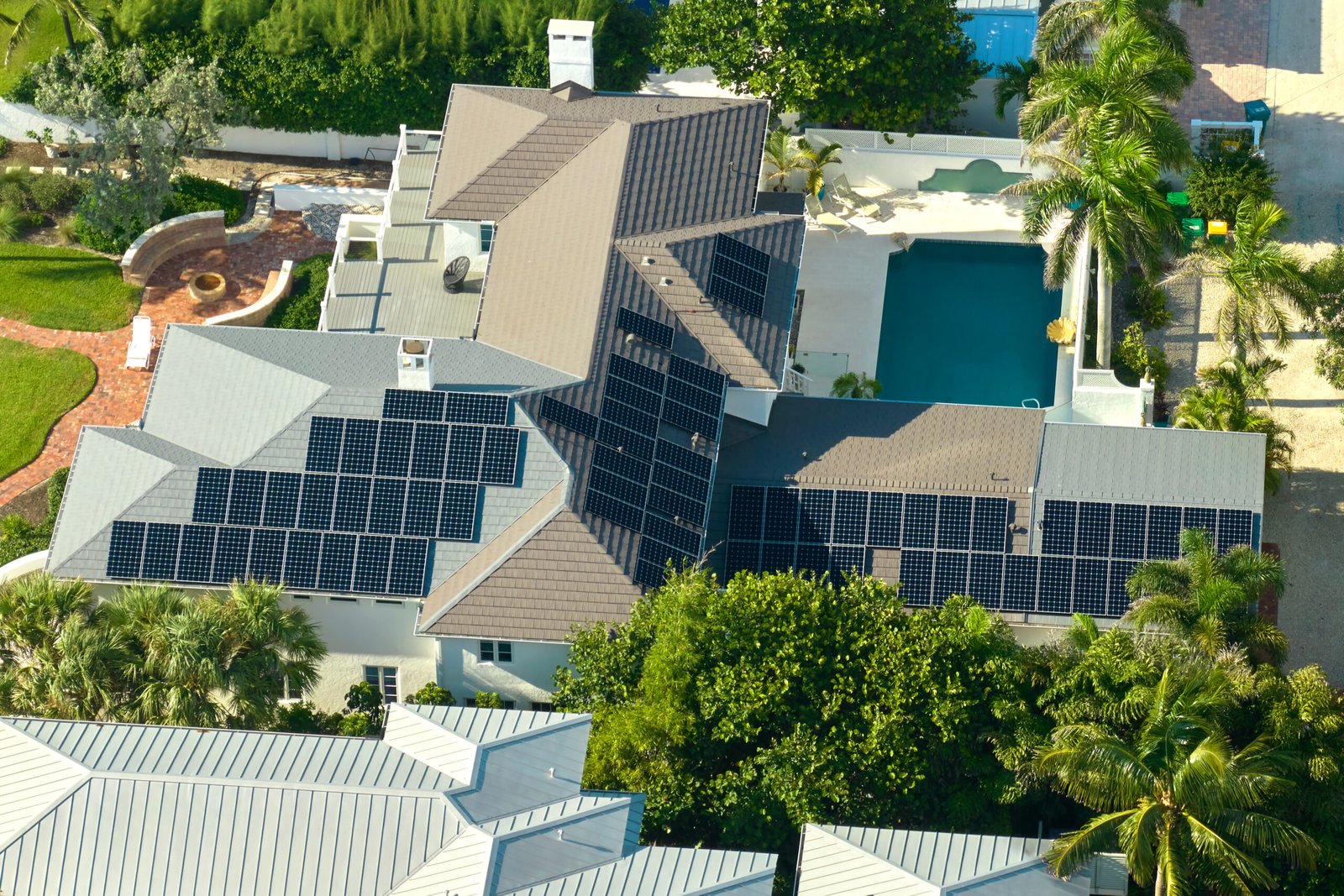
- Designing for Independence: Consider incorporating renewable energy sources like solar, designing for microgrids (your own private, self-sufficient electricity system), and implementing innovative energy management systems within your estate. These solutions significantly reduce your reliance on the external grid, enhancing self-sufficiency and resilience.
- Digital Safety Nets: Beyond physical power, ensure your digital assets are protected. Utilize geographically diverse data backups and partner with cloud providers who can demonstrate firm continuity plans. This ensures your valuable data is safe, regardless of local power issues.
- Partner with Experts: The most effective step is to work with experienced energy consultants and infrastructure planners, like Calculated Risk Advisors. We possess deep knowledge of local grids, future risks, and, crucially, how to integrate comprehensive off-grid autonomous energy solutions tailored specifically to your unique needs and aspirations.
Your Legacy, Uninterrupted
The growth and location of data centers are fundamentally reshaping global energy demands, presenting new challenges for grid stability and reliability. For High-Net-Worth Individuals, understanding these dynamics isn’t just about staying informed; it’s about proactively safeguarding your digital assets, your homes, and your businesses against potential brownouts or blackouts. By embracing sophisticated energy resilience strategies and autonomous solutions, you can ensure your legacy and lifestyle remain protected in our increasingly electrified and interconnected world.
Secure a confidential consultation.
Important Disclosure.
This publication is for general informational purposes only and reflects the author’s perspective. It is not financial, investment, tax, legal, or professional advice of any kind, nor an offer or solicitation. Calculated Risk Advisors disclaims all liability for actions taken or not taken based on this content. Readers should consult their own qualified advisors before making decisions.
© 2026 Calculated Risk Advisors. All rights reserved.



0 Comments