

You and I both know that the true measure of a legacy is not just the wealth you accumulate, but the independence you leave behind for those who come after. In a time when geopolitical tensions and unpredictable weather patterns are already disrupting global food supplies, the families I advise are turning their attention to something fundamental, yet often overlooked: the ability to produce their own sustenance on-site within an autonomous rural platform or multi-generational family compound.
This is not about romantic notions of farming or retreating from the world; it is about reclaiming control over one of life’s essentials in a system that is showing more cracks every day.
As a consultant who has guided legacy-minded families through the design and execution of these platforms, I have seen how integrating a comprehensive farming operation transforms a property from a mere refuge into a sovereign stronghold that sustains health, spirit, and continuity for generations, even when commercial distribution networks fail.
Gardening: The Daily Foundation
A well-planned garden, supported by integrated water-catchment systems that collect and store rainwater from roofs and landscapes for irrigation, forms the backbone of daily fresh produce, such as vegetables and herbs. These not only nourish the body but also foster a connection to the land that cities have long severed. Regenerative agriculture methods, such as minimal tillage, cover cropping, and diverse plant rotations, build soil fertility naturally, creating ecosystems where plants thrive without chemical inputs and produce food that is denser in vitamins and free from residues that burden the body.
Animals: Protein, Dairy, and Soil Renewal
Raising animals adds layers of protein and dairy that no store-bought alternative can match in freshness or reliability. Chickens provide eggs rich in nutrients and a steady supply of meat from broilers, while their manure enriches the soil for gardens. Goats offer milk that can be turned into cheeses like chèvre or feta, along with tender meat for stews or roasts, and they are hardy creatures that thrive on rough forage. Sheep produce lamb for flavorful cuts and wool for practical uses, while their grazing maintains pasture health. Cows yield milk for fresh drinking or making cheddar and yogurt, as well as beef from steers that provide prime cuts like ribeyes and filets, ensuring a diverse, nutrient-dense diet that supports physical vitality in ways processed foods never could.
Water: The Lifeline of Sovereignty
Independent water systems are non-negotiable. Deep wells, protected springs, large-scale rainwater harvesting, and medical-grade filtration ensure a continuous supply without municipal dependence. These systems are designed to deliver clean water indefinitely, even when regional sources are contaminated or restricted.
Physical & Mental Health with Peace of Mind
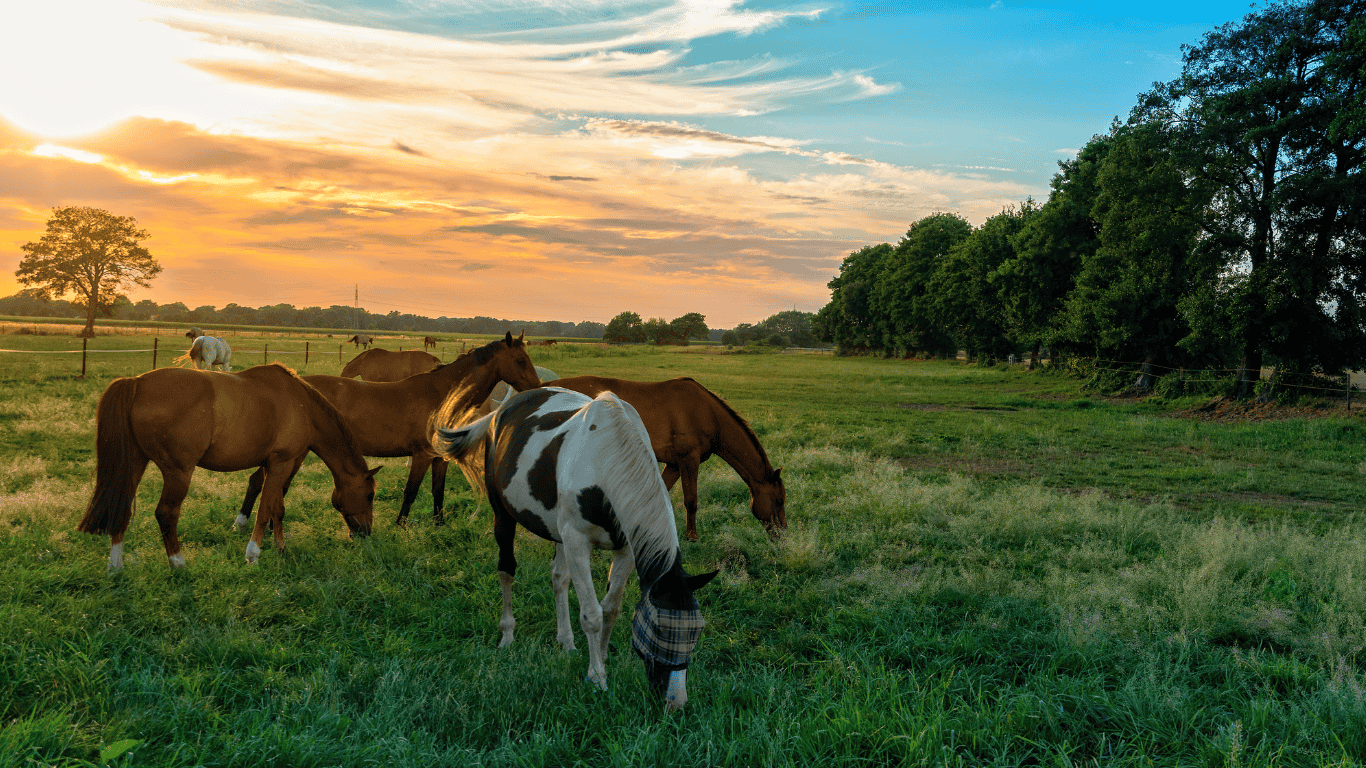
The spiritual and health benefits of this reconnection to the land are measurable and profound. Living on a platform that produces its own food reduces exposure to processed, chemically laden diets common in urban grocery stores, leading to better immunity, lower inflammation, and improved mental clarity from nutrient-dense meals. Daily interaction with animals and soil lowers cortisol, boosts mood through nature contact, and fosters a sense of purpose that counters the artificial, synthetic world of screens and concrete. Horses, beyond transportation and recreation, contribute manure to compost heaps and offer therapeutic benefits through riding, lowering stress hormones and strengthening family bonds in ways no city gym can replicate. Children grow up learning responsibility through caring for livestock and tending gardens, gaining practical skills and values that cities rarely teach.
Seeds of Change and Back to Agrarian Life
The differences in seeds are crucial. Open-pollinated varieties, saved from year to year, adapt to your local microclimate and maintain genetic diversity for resilience against pests or disease. Hybrid seeds provide higher short-term yields but require repurchase annually and lack the adaptability of open-pollinated types. GMO seeds, engineered for traits like herbicide resistance, raise concerns about long-term health effects and dependency on corporate suppliers, making them less ideal for true sovereignty, where control over your food source is paramount.
When selecting regions, draw from agricultural data that highlights areas with consistent rainfall, fertile loams, and extended growing seasons—such as the Intermountain West’s valleys or the Appalachian foothills—where soil testing reveals pH levels between 6.0 and 7.0 and organic matter above 5 percent for optimal crop production. These locations provide the space needed for diverse farming without urban encroachment, ensuring your platform can sustain a family through breakdowns in commercial distribution caused by war in grain-producing areas like Ukraine or weather anomalies that destroy harvests across the Midwest.
The analogy to agrarian societies of the past is striking: before industrialization severed our ties to the land, families knew the origin of every meal and the labor that sustained them, fostering a deep resilience that modern convenience has replaced with vulnerability. Reconnecting to food through your own operations breaks that dependency, shielding you from supply-line failures during multiple crises like geopolitical conflicts or natural disasters, where shelves empty and prices soar. The Holodomor in Ukraine, a man-made famine that killed millions in the 1930s, serves as a grim reminder of how deliberate actions can weaponize food – a risk echoed today as the ongoing war reduces grain exports by 40 percent, spiking global prices and foreshadowing shortages that could hit even affluent tables if disruptions spread.
As consultants, we provide direction in building comprehensive systems that meet many, though not all, needs for an autonomous rural platform or family compound, from initial site-specific intelligence to integrating farming operations that ensure food sovereignty. We do not claim to cover every eventuality, but our tailored strategies equip you with the tools to adapt and thrive. The next decade will test every family; those who act with agency will not just endure – they will lead.
Important Disclosure.
This publication is for general informational purposes only and reflects the author’s perspective. It is not financial, investment, tax, legal, or professional advice of any kind, nor an offer or solicitation. Calculated Risk Advisors disclaims all liability for actions taken or not taken based on this content. Readers should consult their own qualified advisors before making decisions.
© 2026 Calculated Risk Advisors. All rights reserved.


0 Comments