

For many families, generational wealth has been protected by the ability to reside in First World nations, with the wealthy using these regions as buffers against chaos. The current global situation suggests that this paradigm is shifting, which should alert high-net-worth individuals to the emerging risks to their wealth security.
Today’s headlines reveal nations slipping into conditions once associated with less stable regions, as populations from the developing world are relocated to developed countries. In major cities across America and Europe, high-net-worth individuals are realizing that wealth and status no longer protect them from realities once confined to the Third World.
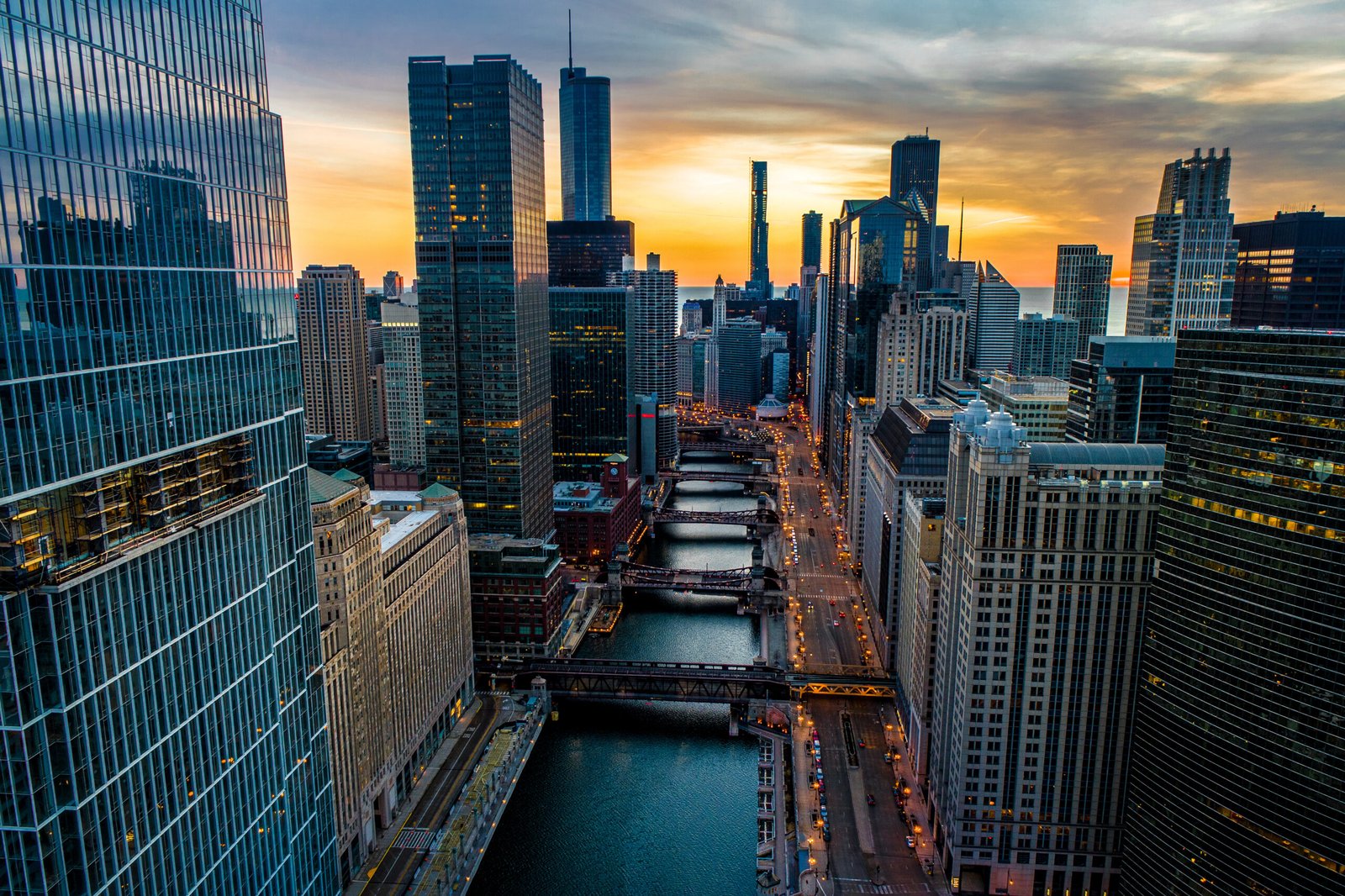
The First World has always been the bastion of stability, characterized by reliable public services, functioning utilities, effective courts, prestigious institutions, and safe, thriving neighborhoods. Now, those pillars are cracking. Broken systems within institutions are visible in rolling blackouts in California, water shortages in Arizona, surging urban crime from San Francisco to Chicago, Detroit to Washington, D.C., and in nearly every major U.S. metropolitan city. I have personally witnessed roving gangs of 100–200 young men in Miami riding 4-wheelers and dirt bikes, menacing the city while police stood idle. Chicago is seeing open-air robberies and gunfights on the streets, with homicide a daily occurrence. These are not isolated events in America; they reflect systemic failures in infrastructure, governance, and social cohesion, which should make high-net-worth individuals feel vulnerable and urge them to consider resilience strategies.
For high-net-worth individuals, this means exposure to risks once unthinkable in advanced economies. Prime neighborhoods are not immune to power outages. Private security budgets climb as law enforcement is stretched thin. Logistics and supply chains are growing increasingly competitive as nations strive to secure resources. What was once abundant is now becoming a limited resource.
At the same time, we are witnessing the First World importing instability through mass immigration in both America and Europe. The result is a clash of civilizations that fuels political polarization, cultural disruption, and fragmentation. Communities that once projected order and confidence are fracturing as differing belief systems and ethnic backgrounds collide, bringing incompatible values, customs, and expectations into societies built on shared norms. This ideological and cultural clash erodes the social cohesion that underpins public order, turning once-unified neighborhoods into zones of tension where trust between groups dissolves, and parallel societies begin to form. Protests, riots, and ideological clashes are no longer occasional; they are spreading across nearly every developed nation. I would anticipate 2026 to be a year of widespread riots and civil unrest across many global nations, including the United States. Many governments are operating at unsustainable deficits, and the promises of a social safety net can no longer be kept. Add an assortment of regional conflicts and geopolitical discourses that are potentially escalating into a third world war.
Why does this matter to wealth holders? Public hostility toward affluence is intensifying, driven by tax hikes, regulatory targeting, and anti-elite rhetoric that frames wealth as a threat rather than an accomplishment to be revered. The very urban centers that once offered opportunity now feel increasingly hostile toward those who built and preserved wealth. And beneath this social tension lies another risk: the fragility of First World economies themselves. The 2008 financial crisis proved that advanced markets are not immune to collapse. In 2020, the pandemic highlighted the vulnerability of supply chains. Today, inflation, currency debasement, and ballooning national debts expose that governments are borrowing against the future at unsustainable levels, and the middle class is being crushed by inflation. The much-hyped promise of artificial intelligence as an economic savior remains speculative, with its enormous energy demands already straining grids and its productivity gains concentrated in a few sectors, leaving many families to question whether it will truly offset these deepening structural weaknesses or widen inequality without resolving core instabilities.
High-net-worth individuals are recognizing that the protection they once expected from “safe” jurisdictions is illusory. Inflation strikes indiscriminately. Bank runs and capital controls, while rare, are no longer unthinkable. The dividing line between First World security and Third World volatility is thinner than ever.
Paradoxically, the First World can learn from the Third. Where governments fail, the wealthy survive by building redundancy with backup power, private water systems, satellite communications, and fortified estates. They don’t rely on the state. They depend on themselves, which should inspire high-net-worth individuals to feel empowered to take control of their wealth protection through resilience measures.
This is the mindset high-net-worth individuals in New York, Miami, London, or Zurich must adopt. Wealth must now be paired with resilience. Estates should be able to function independently. Portfolios should hedge currency risk. Families should have relocation plans in place to ensure continuity in the event of system failures.
The wisest wealthy are already acting. They are building parallel lives: mountain retreats in Wyoming, fortified villas in Europe’s countryside, island estates with independent power and water. These are not indulgences; they are continuity plans. They ensure that when First World comfort dissolves into Third World reality, their families remain insulated, secure, and able to thrive.
The days of assuming the First World will always protect wealth and lifestyle are over. The same conditions once blamed on “developing” nations—political instability, unreliable services, rising crime, and economic fragility—are becoming features of advanced societies.
For high-net-worth individuals, the path forward is clear: comfort must be paired with resilience, lifestyle with redundancy, wealth with foresight. The Third World has come to the First. The question is no longer if it will affect you, but whether you are prepared when it does.
Secure a confidential consultation.
Important Disclosure
This publication is for general informational purposes only and reflects the author’s perspective. It is not financial, investment, tax, legal, or professional advice of any kind, nor an offer or solicitation. Calculated Risk Advisors disclaims all liability for actions taken or not taken based on this content. Readers should consult their own qualified advisors before making decisions.© 2025 Calculated Risk Advisors. All rights reserved.



0 Comments