

There’s a quiet but meaningful shift happening among families who plan in generations, not just quarters or fiscal years. The focus is moving away from simply pulling back or building walls against the world. Instead, it’s about creating real optionality by ensuring a family’s homes, land, and way of life keep running smoothly, maintain high standards, and remain under their own control no matter what happens outside.
In conversations with these families, one pattern stands out clearly. Many have already put significant resources into modern, high-tech setups: smart automation for lighting and security, remote monitoring of systems, and integrated energy and water management that runs efficiently and looks impressive. These advancements bring real benefits such as lower costs, better oversight from anywhere, and a sense of cutting-edge control. But there’s often an overlooked side: so much of it depends on software updates, specific replacement parts from suppliers, internet connections, or cloud services. If any of those links break, whether from a cyber attack, a parts shortage, or a simple power outage, the whole elegant system can grind to a halt right when it’s needed most.
Layered Reliability is a thoughtful way to fix that vulnerability. It means keeping the best of today’s technology while deliberately adding simpler, time-tested mechanical backups so no vital function hangs on just one modern layer. The digital side stays in place because it improves daily life and performance, but the basics never become impossible without it. The estate runs beautifully in normal times and stays dependable when challenges arise.
Recent events have made this approach feel even more relevant. Reports from cybersecurity firms and government agencies show that ransomware attacks on critical infrastructure, such as utilities, hospitals, and manufacturing, have continued to rise through 2025 and into 2026, with some sectors seeing sharp increases in incidents. Supply chains for specialized electronic parts have faced ongoing pressure from international tensions and export restrictions, leading to long delays in replacement shipments. At the same time, extreme weather in the United States has grown more frequent and expensive over the past decade, according to federal tracking data from NOAA and others. There are more billion-dollar storms, floods, droughts, and wildfires each year on average. These aren’t signs of impending doom, but they do highlight real risks that smart families address ahead of time rather than react to later.
Power: Reliable Energy That Doesn’t Depend on Perfect Conditions
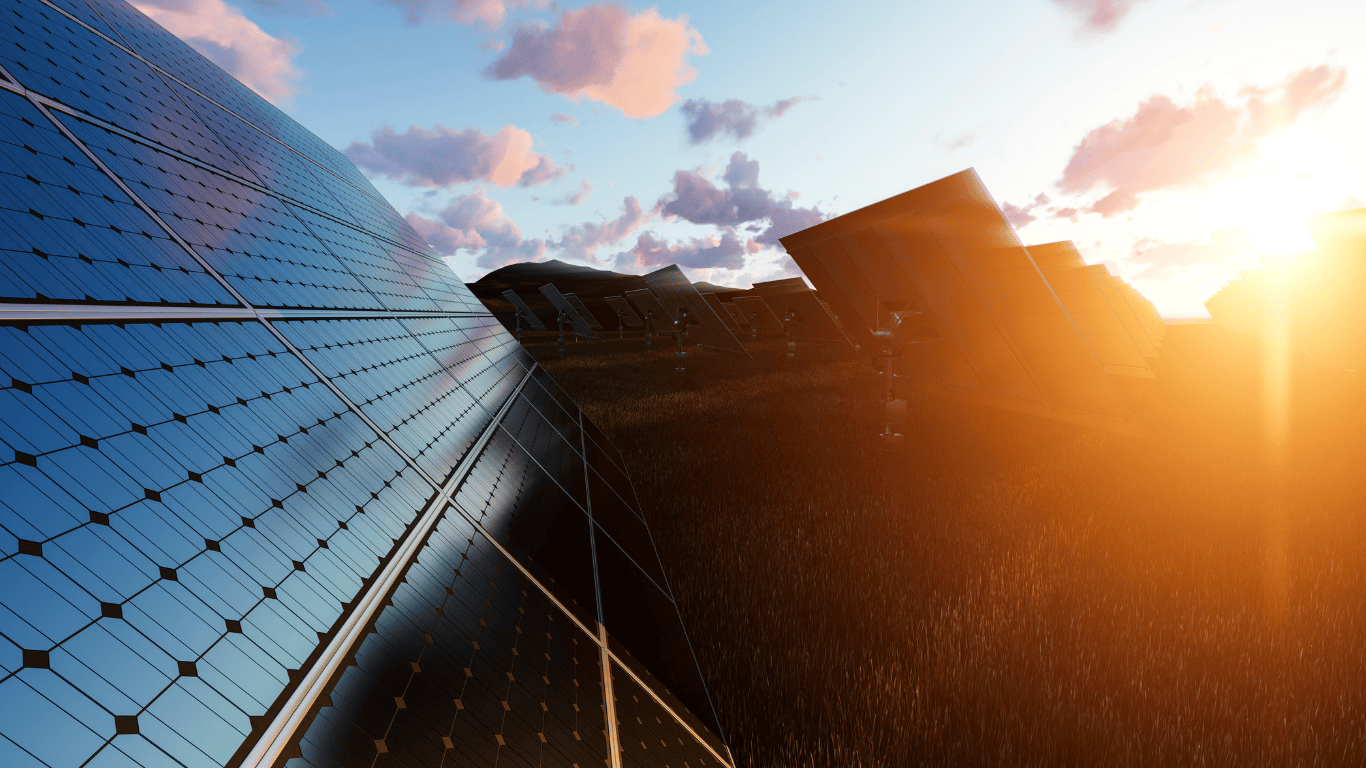
Today’s high-quality solar setups, paired with smart battery systems, deliver excellent results, including plenty of clean power, lower energy bills, and the ability to monitor everything remotely. They work wonderfully when everything is stable. But the smart controls, software that runs them, and connections they rely on can become weak points if updates fail, parts aren’t available, or networks go down. A balanced approach adds straightforward mechanical options alongside the high-tech ones.
Backup generators (running on diesel or propane) are built to start and run without any digital network, often with a simple manual pull or crank. Physical switches let you reroute power by hand if needed. Basic gauges show battery levels and usage at a glance, no screen required. Some properties go further by turning farm or forest waste into usable fuel on-site through simple gasification setups, creating a local backup supply that’s always within reach. These additions are tucked away neatly so they don’t disrupt the property’s look or feel. In everyday life, smart systems handle optimization and convenience. When something disrupts them, the mechanical side keeps lights on, water pumping, and essentials working quietly, ensuring the estate remains self-sufficient.
Water: Keeping Control of a Vital Resource
Modern water systems track usage, spot leaks early, treat water automatically, and adjust flows intelligently, helping conserve resources and making management effortless. They’re a big step forward. Yet pumps that need electricity and valves controlled by electronics can stop working if power fails or controls glitch, especially during storms or grid problems. A layered design ensures reliable access in any scenario. Traditional hand pumps sit alongside electric ones on deep wells, ready to use by hand if electricity isn’t available. Large storage tanks placed higher up allow water to flow by gravity alone with no pumps needed. Simple manual valves let you redirect lines without touching a screen. Basic filters and sun-powered distillation setups provide clean water even without power or outside supplies. Water stops being just another monthly bill and becomes a true family asset, one that’s secure and available through blackouts, restrictions, or unexpected shortages, preserving comfort and independence for the long haul.
Food: Storing and Preserving for the Long Term
Many estates now use cooled rooms, monitored silos, and automated tracking to keep fresh produce, provisions, and harvests in top condition for longer. These tools minimize waste and maintain quality when power is steady. But a long outage can quickly turn stored food into a problem, and recent global supply issues have shown how quickly staples can become harder to get or more expensive. Simpler, time-proven methods bring balance back. Underground cellars and earth-covered storage rooms use the natural coolness of the ground to keep temperatures steady year-round without any electricity. Sun-drying racks, wood-fired canning or smoking setups, and fermentation areas preserve food using basic heat, air, and time. Grain stored in buried, sealed containers with hand-turned tools stays protected and accessible. Planting perennial crops or small integrated fish-and-plant systems can reduce the need for constant replanting or outside feeds. Food planning shifts from year-to-year management to something designed to last across decades, straightforward enough for future family members or caretakers to handle without outside experts.
Why This Matters Now.
Behind these choices are a few unchanging realities. Technology moves fast, and companies that support specialized equipment sometimes stop offering parts or updates. Cyber threats keep growing, with more attacks aimed at everyday infrastructure. International events continue to affect the flow of key materials and components, stretching out repair times. These are steady trends, not crises, and they call for practical steps in how estates are built and maintained.
The Balanced Approach as the Ideal
Relying solely on high-tech systems delivers high efficiency but leaves gaps in long-term reliability. Going fully old-school misses out on modern conveniences and oversight. The smart path combines both: let digital tools handle the everyday enhancements and monitoring, while mechanical backups guarantee the essentials keep working if anything goes wrong. Everything is kept straightforward so the next generation, or trusted staff, can step in easily. Families build in ways to pass down knowledge, documents, and clear instructions so nothing gets lost over time. In calm periods, the property feels luxurious and effortless. When difficulties arise, whether a storm knocks out the grid, a cyberattack locks systems, or supplies are delayed, daily life continues with little change. Comfort stays high, and real control remains in the family’s hands. For families thinking decades ahead, these rural properties aren’t backups or hideaways; they’re deliberate parts of broader wealth and legacy strategy. Resilience becomes smart planning, not worry. Layered Reliability turns possible weak spots into lasting strengths through careful choices and solid execution.
At Calculated Risk Advisors, we work closely with families to look at their specific situation, design tailored systems, and put everything in place while respecting local rules and the natural surroundings. It starts with really understanding your goals, your family’s decision-making style, the land itself, and what you want for future generations. From there, we help balance today’s conveniences with timeless dependability so the estate protects not just money, but the freedom to live life on your own terms, year after year. A private conversation can highlight any hidden risks and show exactly where thoughtful additions could make everything more secure. True control comes from decisions made calmly, well before they’re tested.
Secure a confidential consultation.
Important Disclosure.
This publication is for general informational purposes only and reflects the author’s perspective. It is not financial, investment, tax, legal, or professional advice of any kind, nor an offer or solicitation. Calculated Risk Advisors disclaims all liability for actions taken or not taken based on this content. Readers should consult their own qualified advisors before making decisions.
© 2026 Calculated Risk Advisors. All rights reserved.



0 Comments