
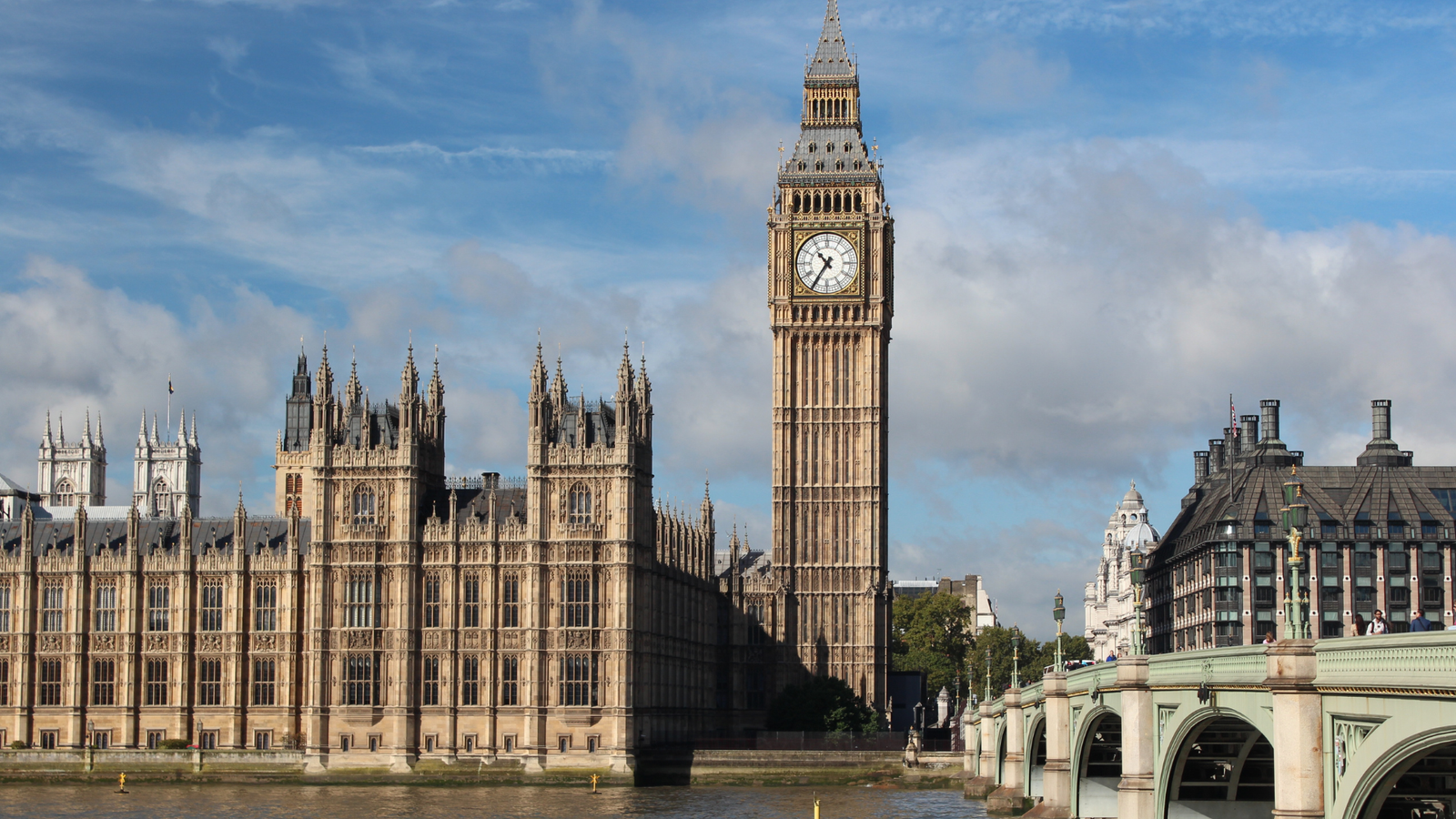

While reviewing the London news feeds, I noticed a pattern that was hard to ignore. The headlines were filled with financial stories of market volatility, currency pressures, and central banks warning of more challenging times ahead. The government has been deceptive about announcements regarding digital IDs, and the introduction of Central Bank Digital Currencies. They are presented as advancements, innovations, and efficiency solutions. I’ll address the hidden dangers further in our discussion of these digital financial products of wonder. But reading between the lines, it feels more like preparation. “A society as sophisticated as the United Kingdom doesn’t push sweeping structural changes unless it sees turbulence ahead.” For high-net-worth families paying attention, these signals matter more than surface headlines. “It’s a warning to the world of the current direction the banking system and central planners wish to take the world.”
At the same time, the headlines that do break through reflect a more profound unease. “Millions of Britons have taken to the streets in protest over uncontrolled migration and the issue of open borders.” What once felt like an abstract political debate has become a visceral social flashpoint, reshaping neighborhoods, straining public services, and fueling resentment on all sides. And then there are the stories that make every wealthy family pause: “homeowners and citizens facing prosecution for defending themselves against violent intruders.” One case in particular saw an individual charged with murder after protecting his household from a gang of armed men who broke into his home. “That kind of legal inversion, where protecting one’s family is treated as a crime, creates a chilling message: even if within your own walls.” The UK government is not holding criminals accountable; instead, it is eroding freedoms and the right to self-defense.
This is not isolated to the U.K. alone. Many of the same dynamics and pressures associated with open borders are impacting nations and communities worldwide. The strain on social services, legal reinterpretations of self-defense, and political polarization are creeping toward the United States. “Economic strain, mass migration pressures, and shifting cultural and legal frameworks make it increasingly likely that Americans could experience similar tensions in their cities and neighborhoods.” HNWI communities that have long relied on personal security, mobility, and legal certainty may find themselves facing the same unpredictable social and legal environment that has unsettled parts of Europe.
I find myself hearing the echo of this unease in conversations with clients and peers. Once, wealth management centered on the predictable: market cycles, portfolio allocations, and tax positioning. Today, the dialogue has shifted. The anxiety is less about their financial statements and more about whether a family’s quality of life, safety, and freedom will endure in a world that feels increasingly fragile. It’s a profound change that tells me that many sense the foundations we take for granted are wobbling.
The economic downturns we face now are not ordinary corrections. “Inflation erodes purchasing power, while debt exists at every level, whether household, corporate, or sovereign. It has ballooned to unsustainable levels.” Central banks patch over these cracks with short-term interventions, but these are bandages on deep wounds. If the structure gives way, what follows will not be a mere recession but a depression capable of reshaping entire societies. And in times of depression, history teaches us that social order is the first casualty. “When people lose jobs and livelihoods, desperation sets in. Crime no longer resembles criminality; it becomes a matter of survival. Wealth, once seen as aspirational, becomes a target.”
Technology is amplifying this vulnerability. “Artificial intelligence, hailed as a sign of progress, is already disrupting industries and professions.” Jobs once thought safe are evaporating, and displaced populations will not remain quietly on the margins. This is the human side of disruption that Silicon Valley press releases often overlook. “For those who can afford to maintain stability, the question isn’t whether AI will change markets, because it already has, but how social unrest will ripple outward when millions are left without meaningful work.”
Governments, meanwhile, are not responding with empowerment but with control. In the United Kingdom, “digital IDs are being advanced as tools of convenience.” In Canada, similar programs are framed as protection. And across much of the West, “Central Bank Digital Currencies are described as a form of modernization.” But anyone willing to connect the dots sees a different picture. “Programmable money, linked to digital identity, creates an architecture where freedom of choice is narrowed. Every purchase, every transfer, every charitable gift or private investment becomes traceable, and potentially deniable.” The wealthy, far from being immune, would find themselves monitored in ways that strip away the very discretion that wealth is meant to afford.
Perhaps what unsettles me most is what doesn’t make it into the headlines. “Nepal’s ongoing collapse is a prime example. Political instability, economic breakdown, and an exhausted population are creating a humanitarian crisis. Yet global coverage is minimal.” The world shrugs and moves on, even as this illustrates how fragile national systems can be when debt, corruption, and poor governance collide. It may seem distant, but it is a warning shot: “instability spreads quickly, often beginning in places the global press chooses not to watch.” I could go on to name a dozen countries experiencing these same concerning conditions and their subsequent implosions of political and economic stability.
For those of us working to anticipate these shifts, the takeaway is simple. Fragility at the global scale ultimately manifests at the personal level. “The wealthy will not be insulated by zip code or by capital. What happens in a small country like Nepal foreshadows what can unfold in larger economies when conditions align.” As I scan the news feeds from London, Ottawa, Washington, and New York, I see those conditions forming.
The natural question is: what now? How do you preserve not only wealth but the freedom and safety it is supposed to guarantee? I don’t believe the answer lies in retreating from the world. It lies in creating buffers against its volatility. “That means securing access to food and water that do not depend on fragile supply chains. It means designing for energy independence so that your household or estate does not falter when the grid fails. It means establishing secondary residences in locations less tied to urban fragility. And most importantly, it means building networks of trust with reliable professionals, communities, and advisors who remain steady when institutions falter.”
The world is not ending. But it is shifting, and shifts of this magnitude favor those who adapt rather than those who assume permanence. “Wealth has always been about more than numbers; it is about shaping one’s environment to sustain freedom, security, and legacy.” That is the proper role of resilience in an era when governments may lean into control, economies may lurch into crisis, and technology may displace more than it empowers.
As I close, I return to the quiet signals from London’s news feeds. “Buried beneath market chatter and policy debates are hints of a society bracing itself for change. In the protests on the streets, in the prosecutions of citizens who defended their homes, in the creeping rollout of surveillance disguised as modernization, and in the financial volatility flashing across headlines, you can see the signs, are you astute to take warning?” The question for every high-net-worth family is whether they will be prepared before the turbulence reaches their doorstep, or whether they will recognize it only when it is too late.

0 Comments